The question “do circuses still use animals” comes up more than ever as public attitudes toward animal welfare continue to change. For many people, memories of the circus include elephants, lions, tigers, and other animals performing tricks inside a circus tent. But today, the reality of the circus world looks very different—especially in the UK.
This blog explores whether circuses still use animals, when and why this changed, and how modern circus entertainment has evolved.
Do Circuses Still Use Animals in the UK?

In short: no, UK circuses no longer use wild animals.
In England, the use of wild animals in travelling circuses has been banned. This decision followed years of debate around animal welfare, cruelty, and whether wild animals in circuses could ever have a good quality of life. As a result, UK circuses are now entirely focused on human performers rather than animal acts.
While some circuses once featured elephants, lions, tigers, camels, zebras, and other species, those days are firmly in the past. Today’s circus life in the UK centres on acrobatics, choreography, comedy, music, and spectacular visual performances created by humans, reflecting a broader evolution in what a circus is and how it has changed over time.
Are There Any Circuses That Still Use Animals?
This depends on where in the world you are.
In the UK, animal circuses using wild animals no longer operate. However, in other countries, the picture is more mixed. Some nations have full bans, others have partial bans, and a small number still allow animal acts under regulation.
Historically, shows in parts of the world, European circuses and other circuses have also used animals, although many have since transitioned to animal free circuses.
Globally, many circuses have recognised that audiences prefer ethical entertainment. Even in countries without full bans, public pressure has led to fewer circuses choosing to keep animals as part of their performances, with modern shows like Gandeys Circus in Birmingham offering animal-free excitement.
When Did the Circus Stop Using Animals?
The move away from animals did not happen overnight. It was a gradual process that unfolded over several decades.
Concerns about animal welfare were repeatedly cited by experts, campaigners, and veterinarians. Investigations raised questions about whether animals in circuses had sufficient space, access to adequate veterinary care, and the ability to live according to their natural behaviours.
In England, legislation finally brought an official end to wild animals in travelling circuses. This marked a major turning point not only for UK circuses but for the global conversation around animals and entertainment.
Why Were Animals Used in Circuses in the First Place?
Historically, circuses used animals to provide entertainment at a time when people had little access to wildlife. Seeing elephants, lions, tigers, monkeys, birds, and other species was rare, and circuses capitalised on that curiosity, promoted through colourful advertising such as the art of the circus poster.
Animals were trained to perform tricks—from standing on hind legs to riding bicycles. Some elephants were guided by an elephant trainer, big cats jumped through hoops, and animals were dressed or posed in ways that mimicked human behaviour.
However, many of these tricks were later recognised as unnatural tricks, often achieved through control, repetition, and sometimes force.
Animal Welfare Concerns in Circuses
The central issue with animals in circuses is welfare.
Wild animals are not naturally suited to life on the road. A travelling circus involves long hours of transport, unfamiliar environments, loud noise, crowds, and limited space. For animals whose instincts rely on roaming, hunting prey, social structures, and choice, this environment can be deeply stressful.
These issues led to widespread agreement that animals in circuses could suffer, even when trainers believed they were acting responsibly.
What About Domestic Animals?

Some people ask whether dogs or horses still appear in circuses. Many long-established troupes, such as Gandeys Circus originating in the UK, now focus on human performers and large-scale productions.
In some countries, domestic animals such as dogs or horses may still be used under strict regulations. However, in the UK, modern circuses have largely moved away from animals entirely, focusing instead on human skill.
This avoids confusion around welfare standards and ensures consistent safety for performers, audiences, and animals alike.
The Rise of Animal Free Circuses
As animals left the ring, something else took centre stage: human performers.
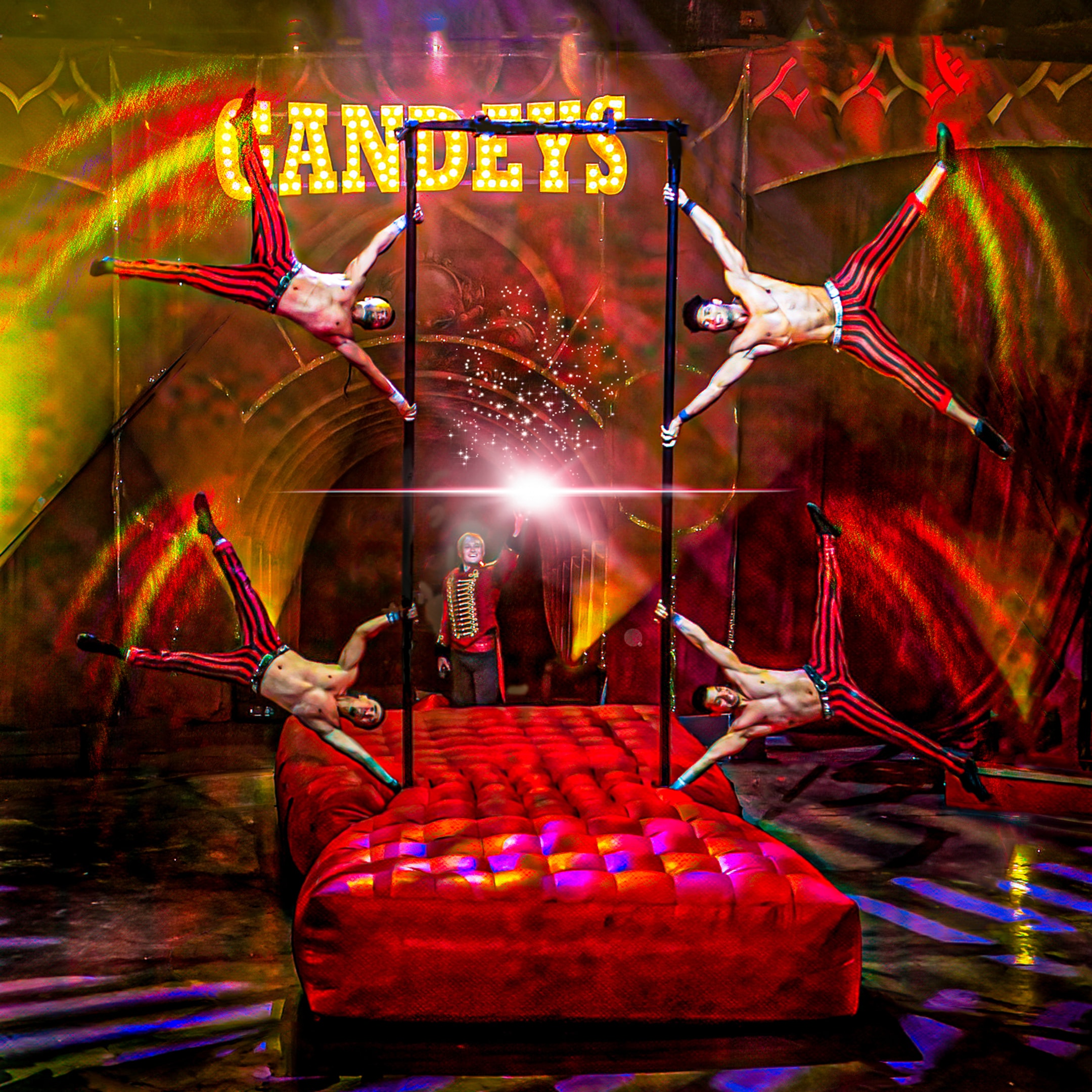
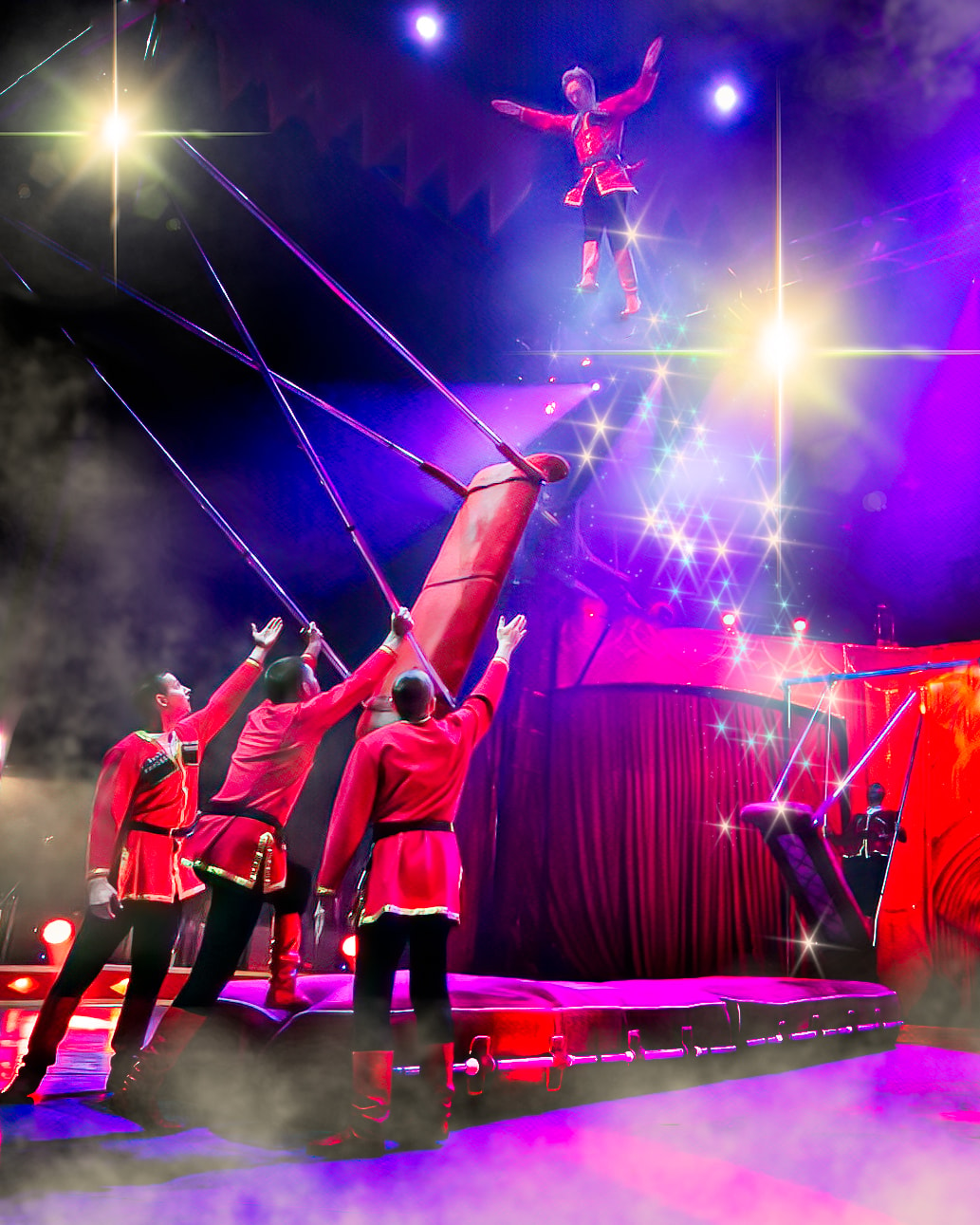
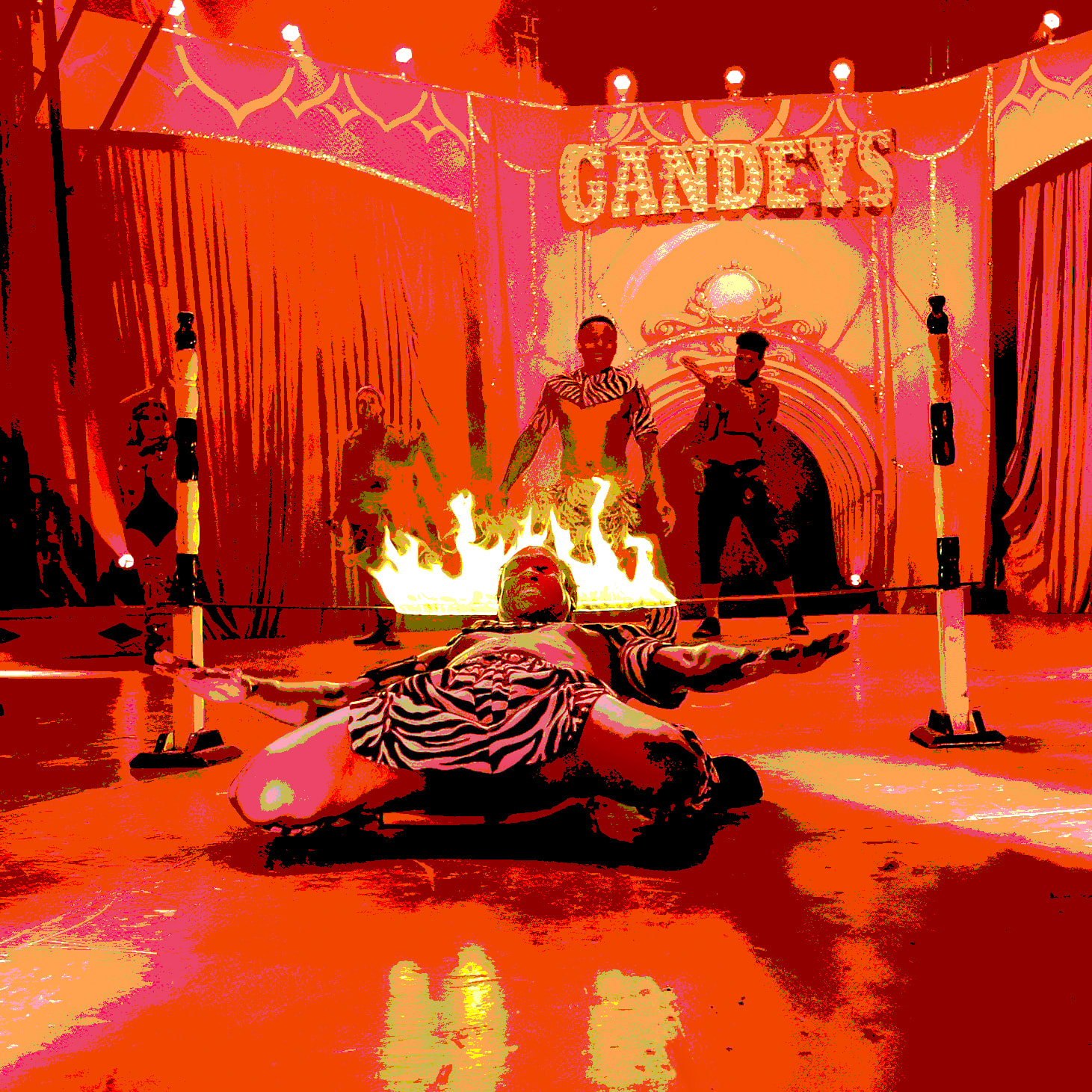
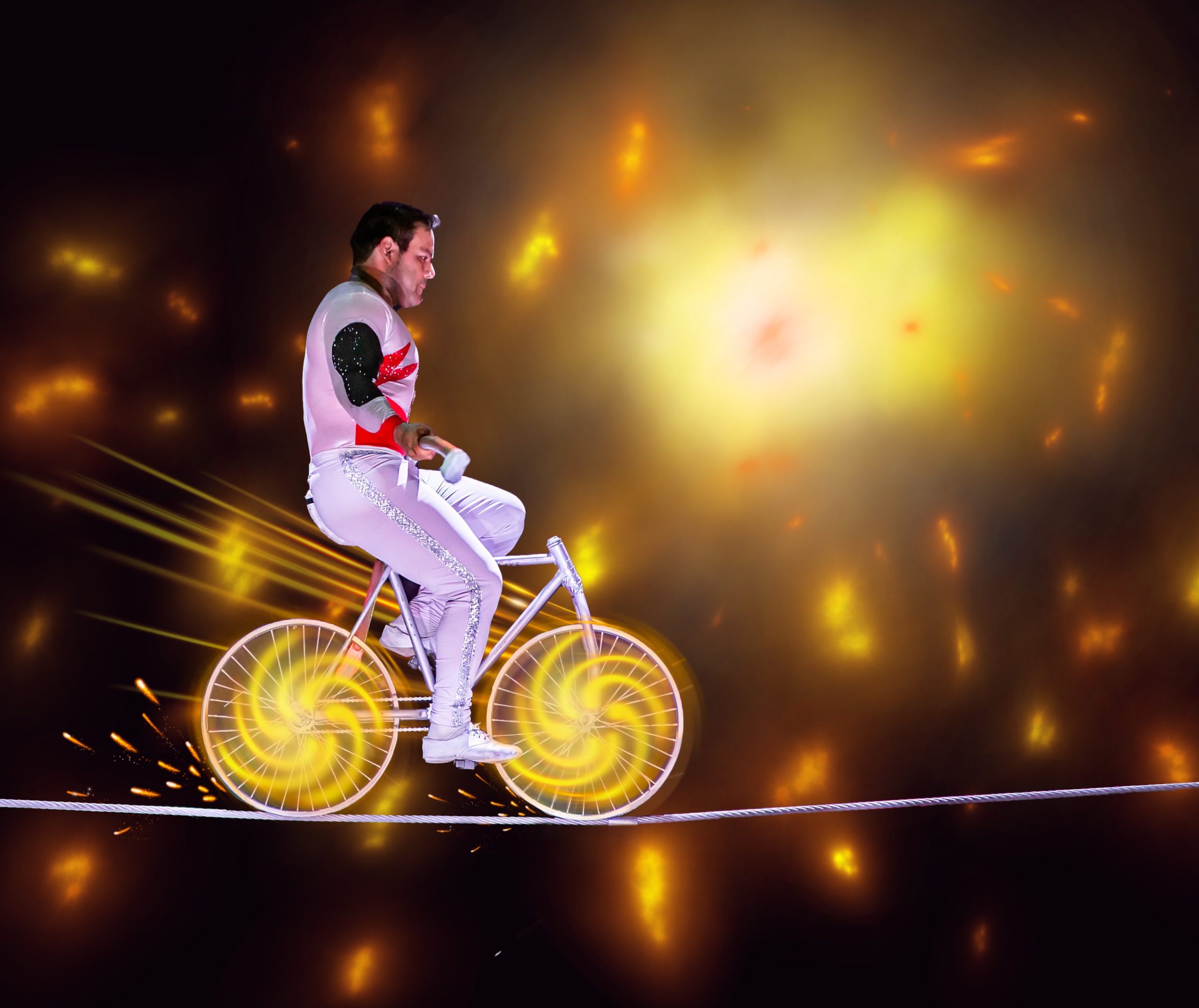
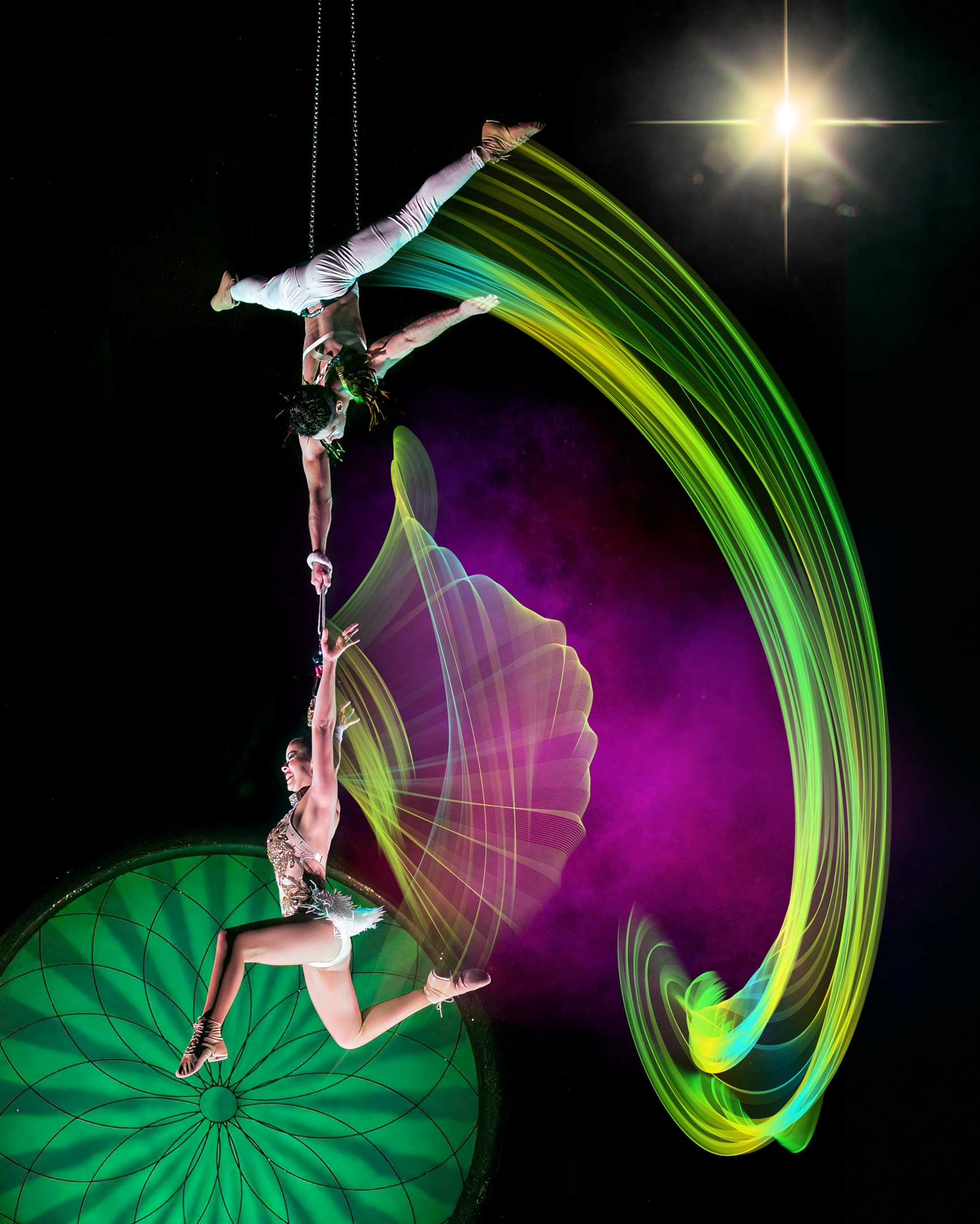
Animal free circuses have proven that you can deliver excitement, danger, humour, and spectacle without animals. Modern circus acts include aerial performances, acrobatics, juggling, dance, and storytelling that rival any animal-based show, ranging from family-focused events to adult-themed night circus experiences and other Gandeys Night Circus spectaculars.
Rather than animal trainers, today’s circus relies on athletes, dancers, and artists who dedicate their lives to performance. Long-running family-led shows such as Gandeys Circus and its century-long evolution demonstrate how a modern circus can thrill audiences while respecting animals and nature.
Do Animal Acts Still Exist Anywhere?
Yes, but increasingly rarely.
In many countries, animal circuses still exist in some form, though they are facing growing scrutiny. Several nations have introduced bans covering certain species—such as big cats or elephants—while allowing others. This patchwork of laws explains why animals in circuses still appear in limited regions.
However, the overall trend is clear: animal acts are disappearing. Public opinion, research, and ethical considerations continue to push the industry toward animal-free performances, showcased by touring productions such as Gandeys Circus in Manchester and Gandeys Circus in Dundee.
Why Modern Audiences Prefer Animal Free Circuses
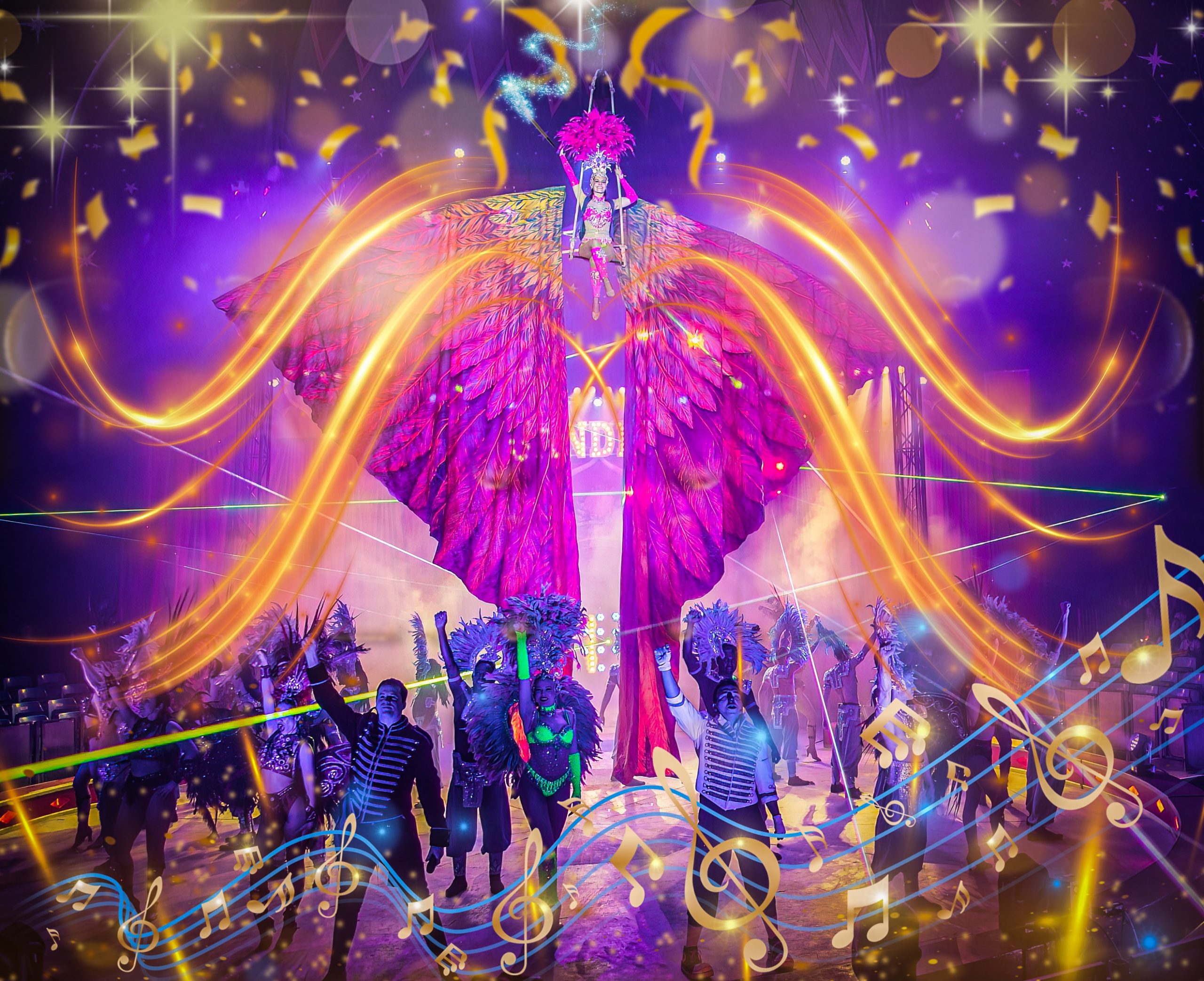
Audiences today are more informed. Many people now understand that wild animals have complex physical and mental needs that cannot be met in a circus environment.
Parents, in particular, are mindful of the messages children receive. Watching animals forced to perform tricks can conflict with lessons about kindness, conservation, and respect for wildlife.
Animal free circuses allow people to enjoy entertainment without ethical discomfort—knowing no animals are being used or harmed.
Are Animals Better Off Without Circuses?
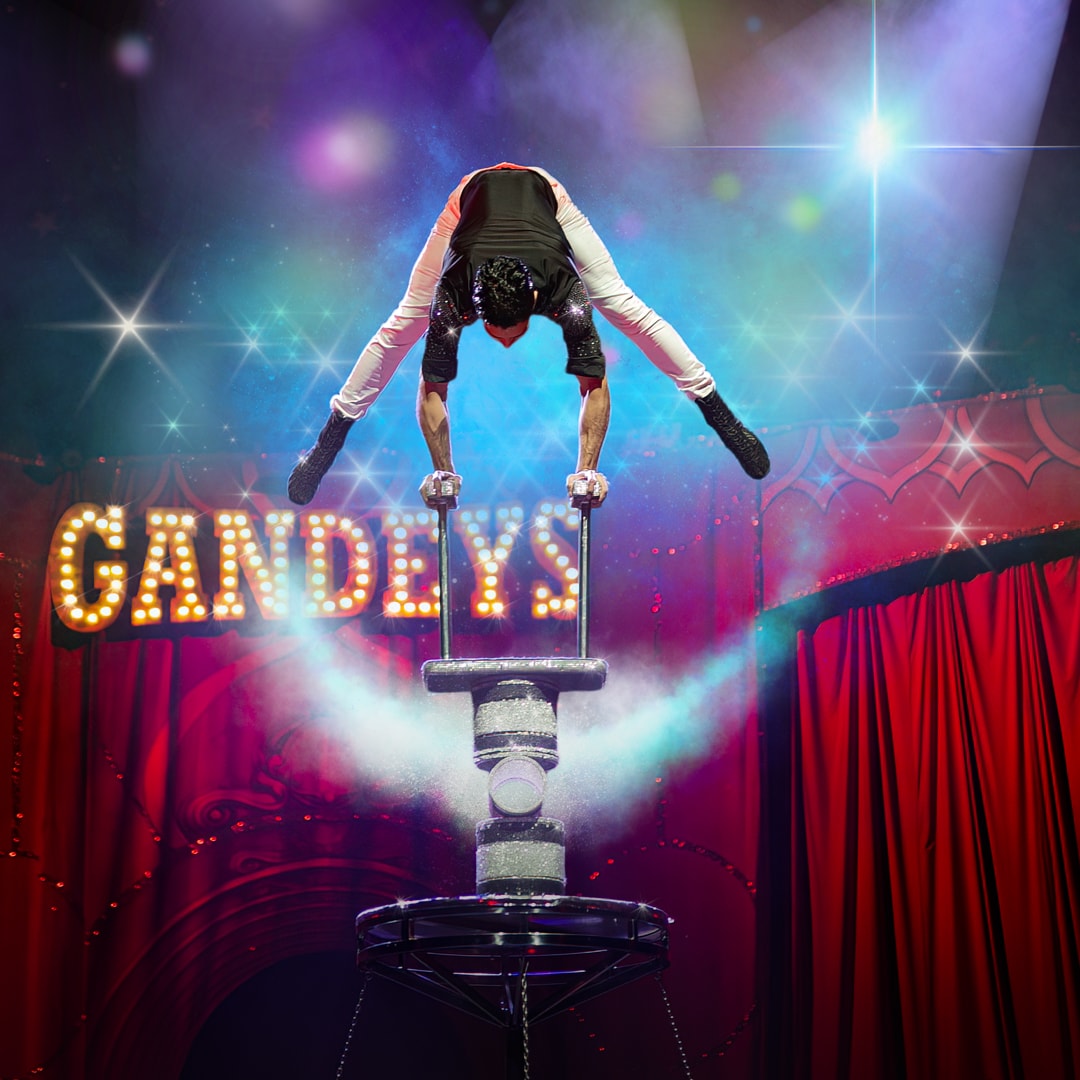
Most experts agree that wild animals are better suited to environments that resemble their natural habitats. Zoos, sanctuaries, and conservation programmes—while not perfect—are better equipped to meet animals’ needs than a travelling circus.
Circuses, by contrast, are designed for mobility and spectacle, not long-term animal welfare. Removing animals from circuses helps protect species and reinforces the idea that animals are not props for entertainment.
The Global Picture
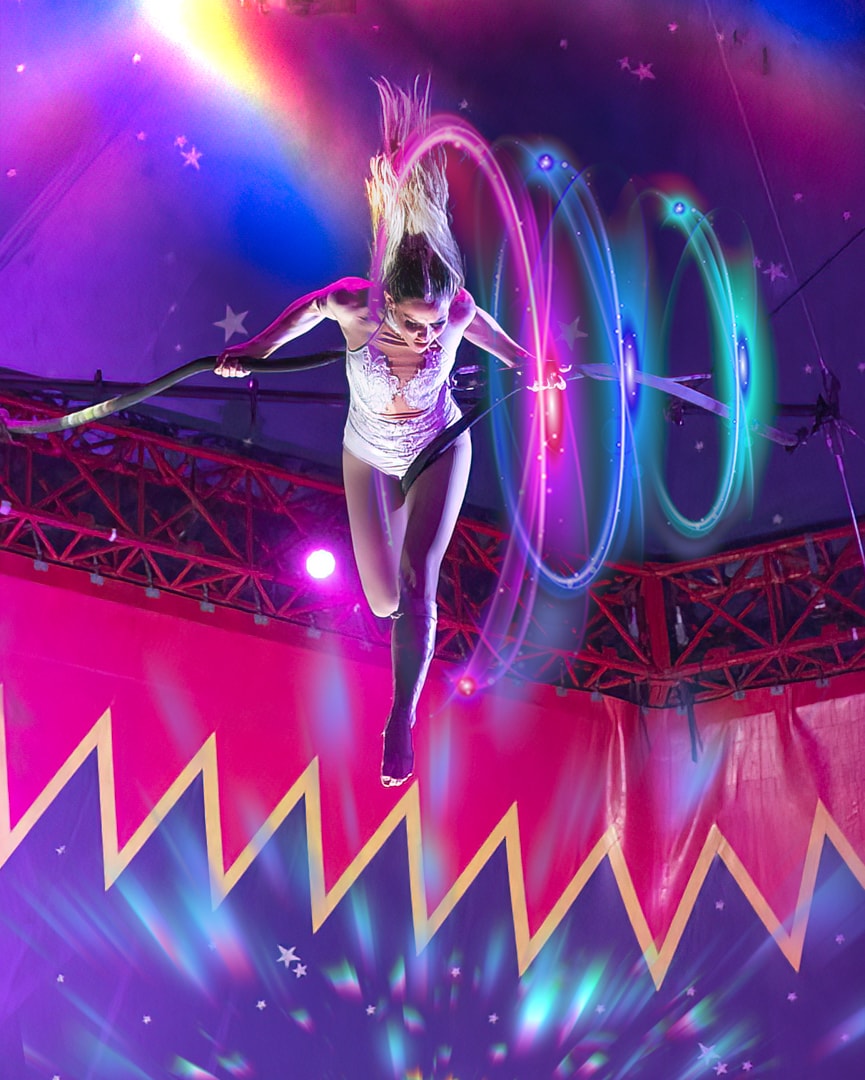
Across the world, circus reform continues. From Europe to America and beyond, more countries are banning or restricting the use of animals. Even where bans are not yet in place, pressure from audiences has encouraged other circuses to change voluntarily, much like the way the spectacular story of Gandeys Circus as a family-run show mirrors the wider shift toward human-focused performances.
This shift reflects a broader cultural movement recognising animals as sentient beings deserving of respect, not tools for performance.
Final Thoughts: Do Circuses Still Use Animals?

So, do circuses still use animals?
- In the UK: No—wild animals are banned in travelling circuses.
- Worldwide: Some still do, but numbers are declining.
- The future: Firmly animal free.
Circus has always evolved. What began as a form of spectacle has grown into an art that celebrates human creativity, skill, and imagination. By moving away from animals, modern circuses have not lost their magic—they’ve found a more ethical, sustainable way to amaze audiences.
Circus today is proof that entertainment can thrive without cruelty, without captivity, and without animals—while still delivering wonder, excitement, and unforgettable performances around the world.