The word circus still sparks instant images: a striped big top, glowing lights, a confident ringmaster, bursts of music, and gasps from audiences as performers attempt something daring.
But in a world of streaming, digital entertainment, and short attention spans, a fair question keeps coming up: are circuses still popular?
The short answer is yes
but not in quite the same way they once were.
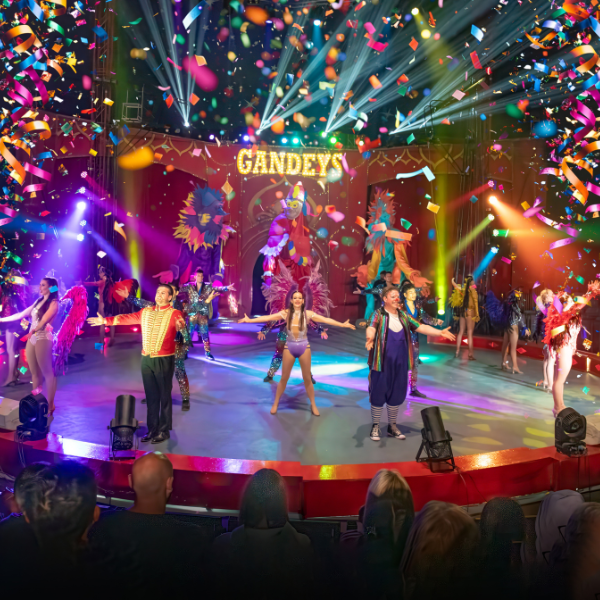
Today, the modern circus has evolved dramatically, blending tradition with innovation. One of the best examples of this shift is Gandeys Circus, a name that has become synonymous with large-scale, family-friendly spectacle in the UK and beyond.
To understand why Gandeys continues to thrive, we need to explore the history of the circus, how it has changed, and what the contemporary audience now expects.
What Is This Circus?
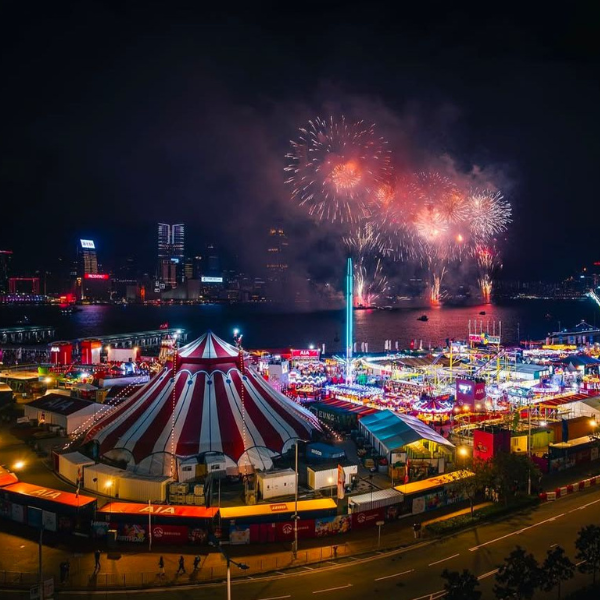
Gandeys Circus is one of the most prominent circus companies currently touring England and other parts of the world, with UK-based family roots dating back nearly a century. .
Founded by the Gandey family, it represents a blend of classic circus and contemporary circus values and draws on more than a century of Gandeys history. .
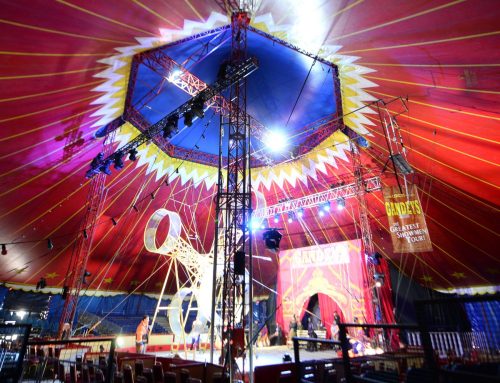
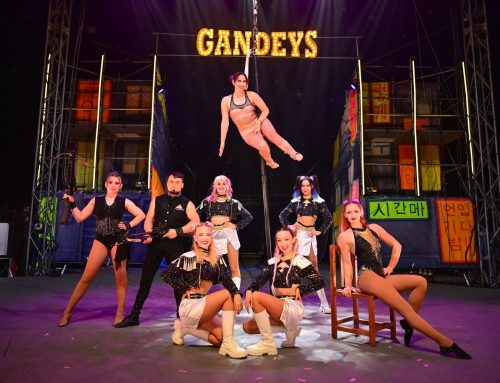
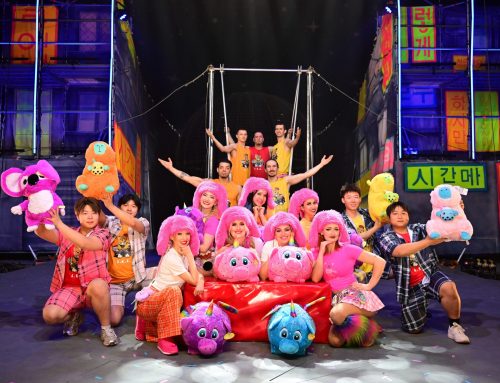
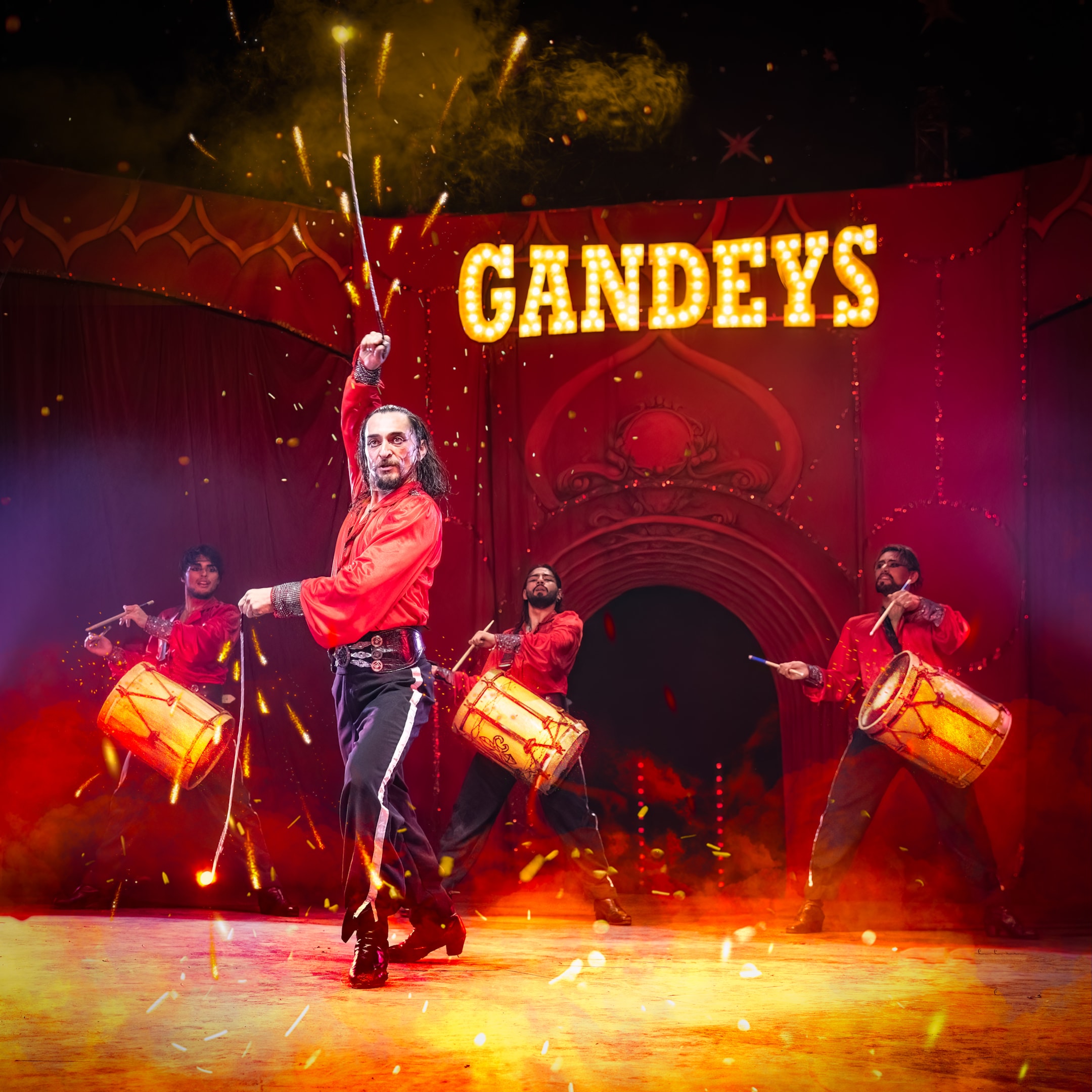
Rather than relying on nostalgia alone, Gandeys focuses on polished circus performances, high-energy production, and a cinematic sense of storytelling, as seen in spectacular shows like the K-POP Dragon Circus and Snowstorm Wish. .
Unlike smaller troupes with only individual performers, Gandeys is known for large productions staged in a traditional tent or purpose-built arena, promoted worldwide through iconic Gandeys circus posters and artwork. .
Their shows felt closer to theatrical spectacular
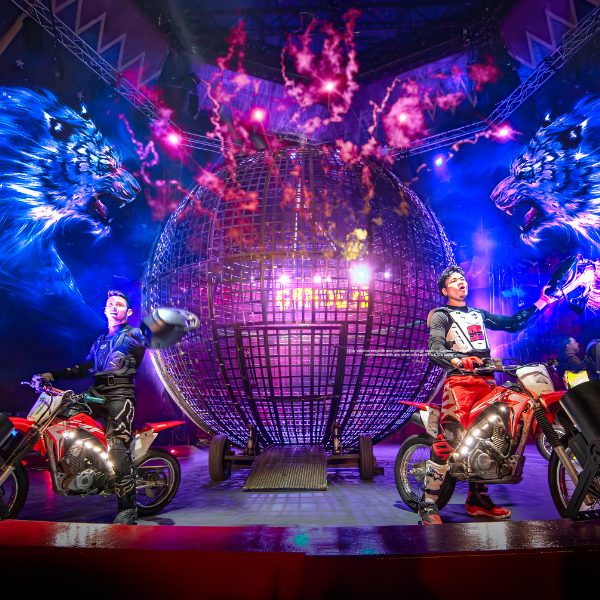
Events than old-fashioned sideshows. The emphasis is on human skill, creativity, and emotion — moments that move from pure fun and laughter to awe, suspense, and even reflections on life and death.
Shows often include elite acrobats, fearless aerialists, powerful jugglers, precision juggling routines, illusion-filled magic, and beautifully choreographed acrobatics, while separate adult-only productions such as Gandeys Circus By Night offer a darker, more immersive twist on these circus arts. .
Add live music, dramatic lighting, and a strong visual theme, and the result is a circus experience designed to truly amaze.
How Much Is the Circus in Blackpool?
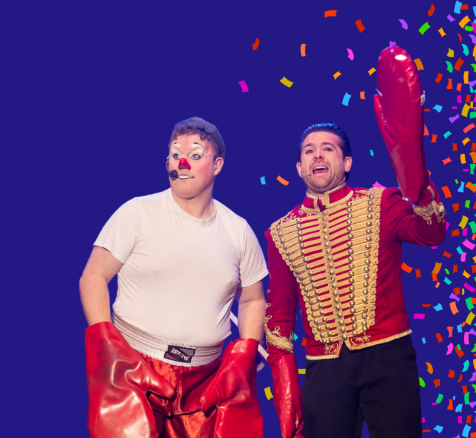
When Gandeys Circus visits a city like Blackpool — often during peak seasons such as June — ticket prices are designed to stay accessible for families, a value reflected in recent Gandeys reviews and testimonials from audiences. .
While prices can vary depending on seating, date, and venue, tickets typically range from £9.99 excluding channel islands.
This pricing reflects Gandeys’ aim to keep circus entertainment inclusive, offering a memorable night out without the high costs often associated with major theatres or touring arena shows, whether you’re catching Gandeys Circus performances in Manchester or another touring location. .
For many visitors, the experience of stepping into the ring under the circus tent feels worth far more than the ticket price.
What Did Circus Mean Originally?
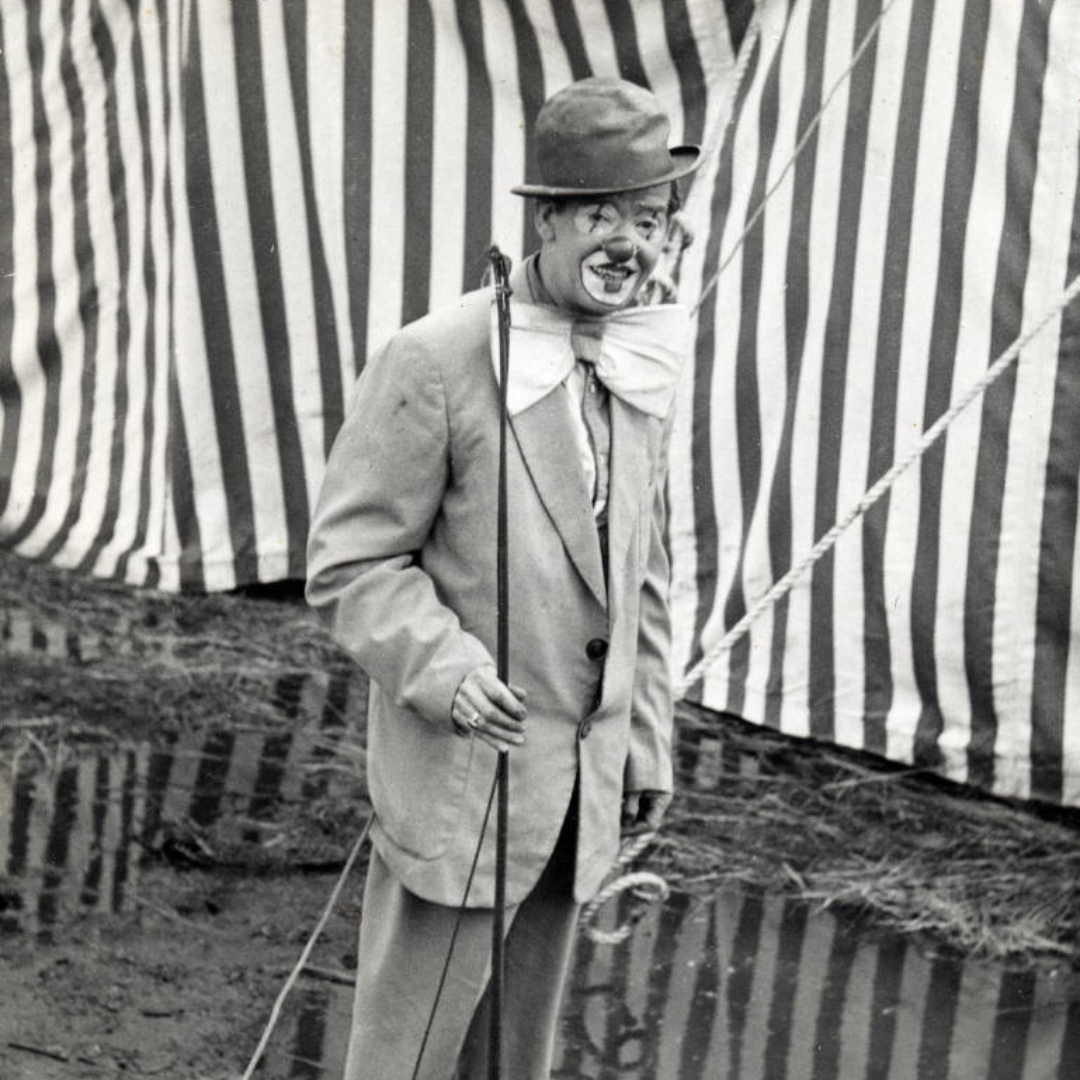
The word circus comes from ancient Rome, where it described a circular arena or amphitheatre used for public exhibitions.
The most famous example, Circus Maximus, hosted massive events including chariot races, athletic contests, and dramatic displays that sometimes ended in death.
These early spectacles were less about artistry and more about power
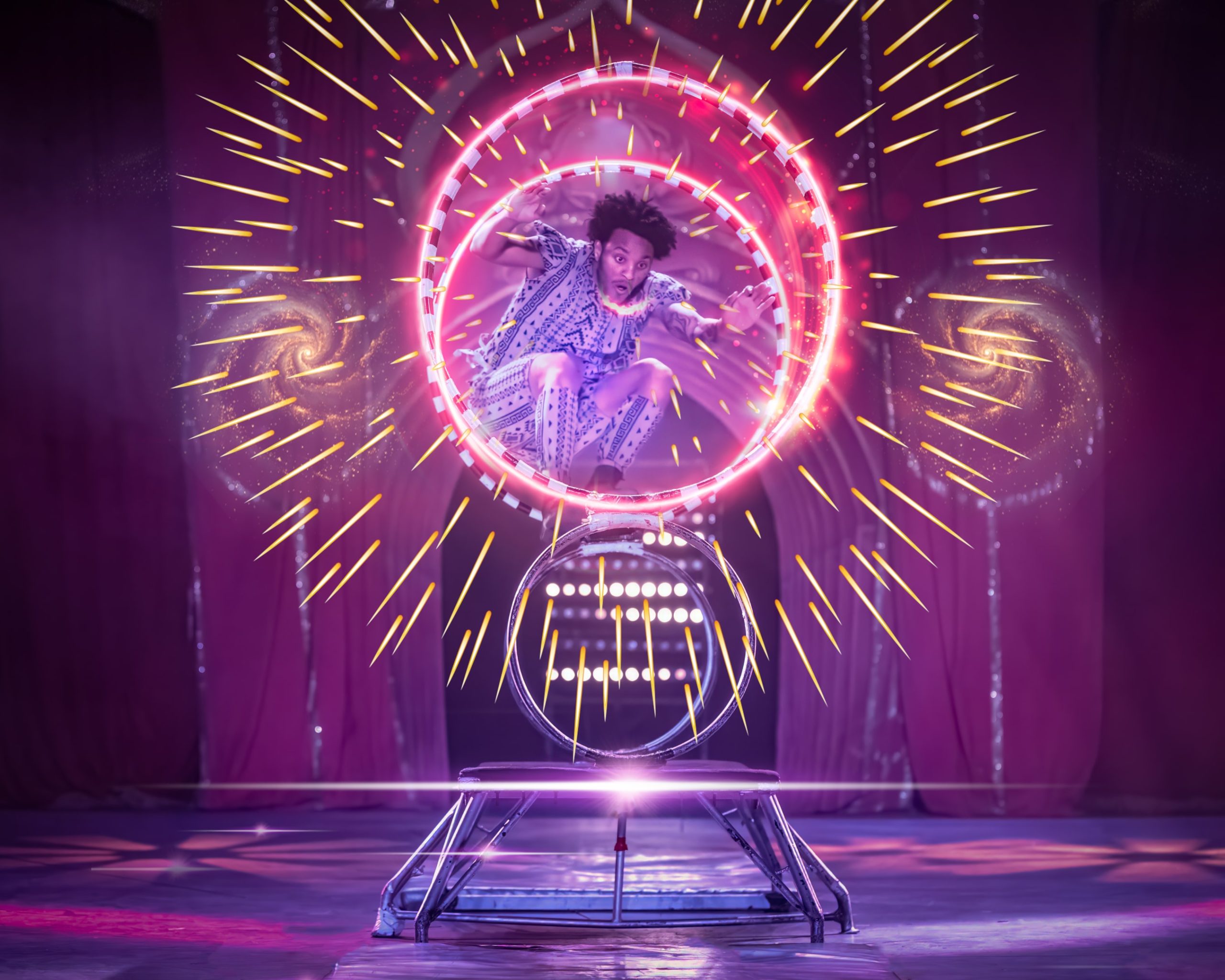
Competition, and control. Over time, the concept of called circuses evolved across Europe, influenced by travelling performers, fairs, and royal courts.
By the 18th century, the first circus as we recognise it today began to take shape, featuring horse riding demonstrations, clowning, and coordinated acts performed in a circular ring.
This format spread rapidly across the globe, shaping the european circus, parisian circus, and eventually the american traditions that dominated the 19th and early 20th centuries.
From Royal Courts to the Big Top
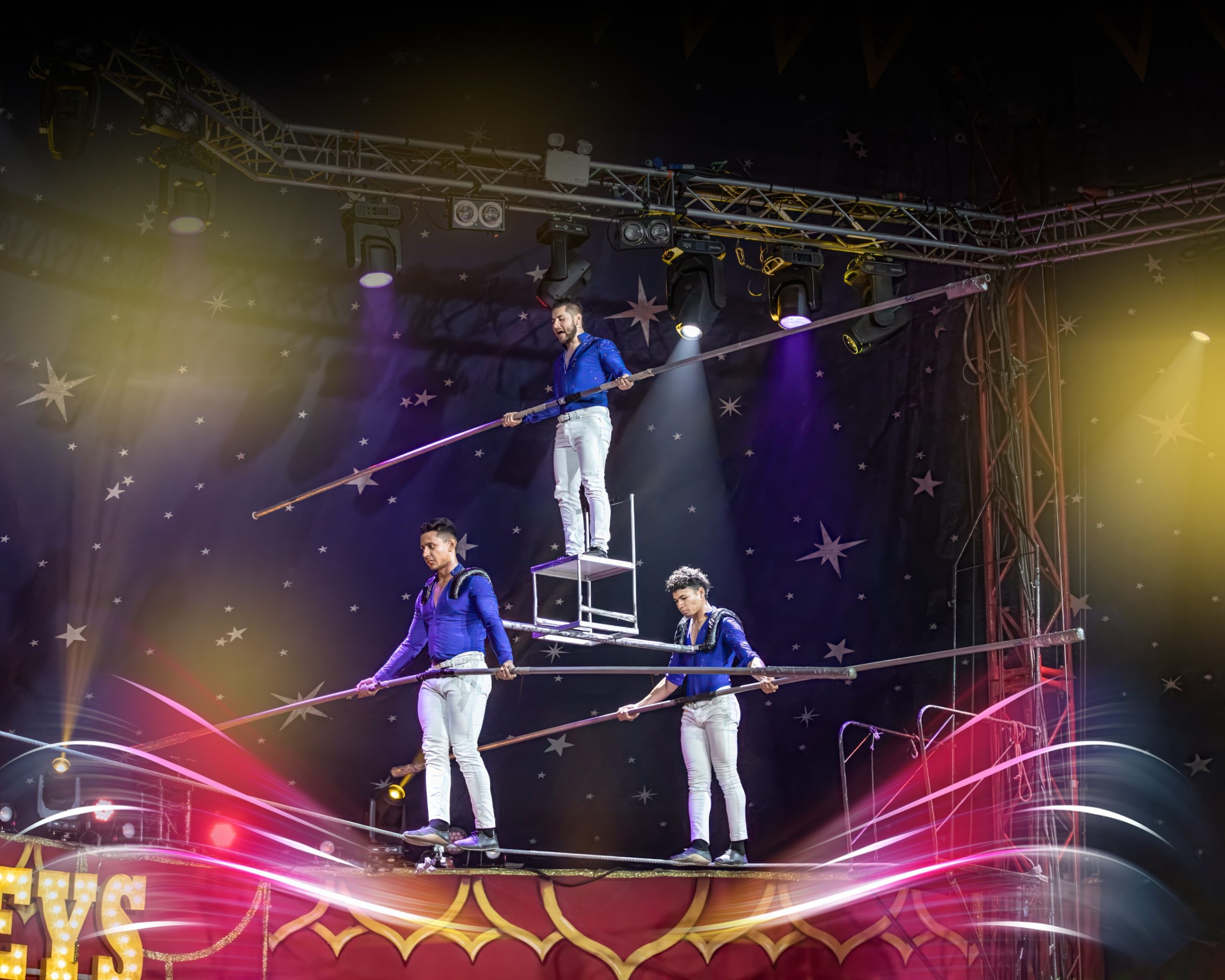
Early circuses were often associated with royalty and the elite. The royal circus concept emerged when performances were staged for kings, queens, and aristocrats.
Over decades, this exclusivity faded as circuses became mobile, setting up tents in towns and cities across England, London, and America, paving the way for the spectacular story of Gandeys Circus as a touring family show. .
The arrival of the big top transformed circus culture
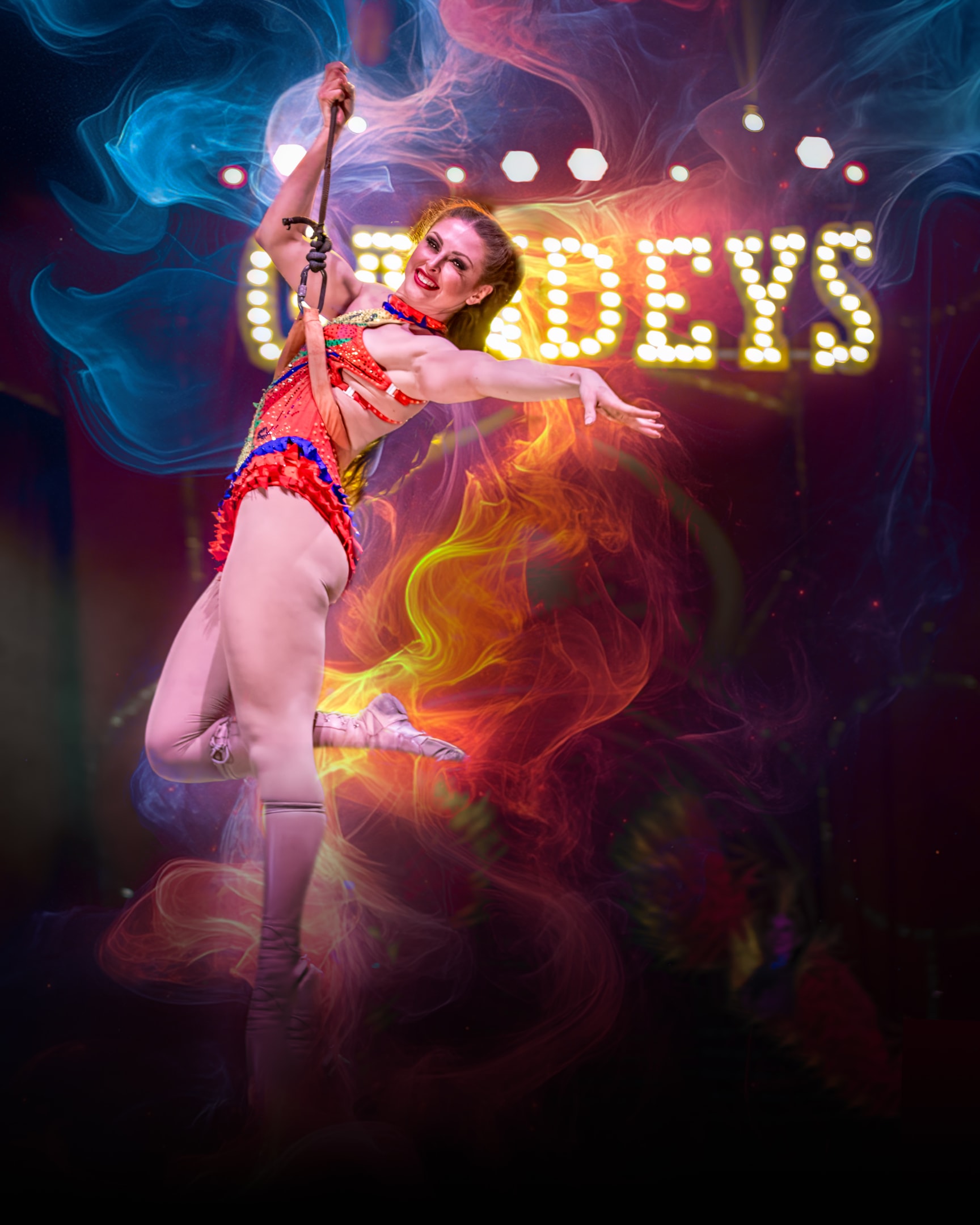
Portable tents allowed troupes to reach wider audiences, bringing thrills, tricks, and colour to communities that had limited access to live performing arts.
These travelling shows often included many clowns, and dramatic sideshows that promised danger and wonder.
Figures like Barnum helped popularise the circus in America, creating massive touring shows that mixed spectacle, exaggeration, and showmanship.
While influential, this era also laid the groundwork for ethical debates that would later reshape the industry.
Do Circuses Still Use Animals in the UK?
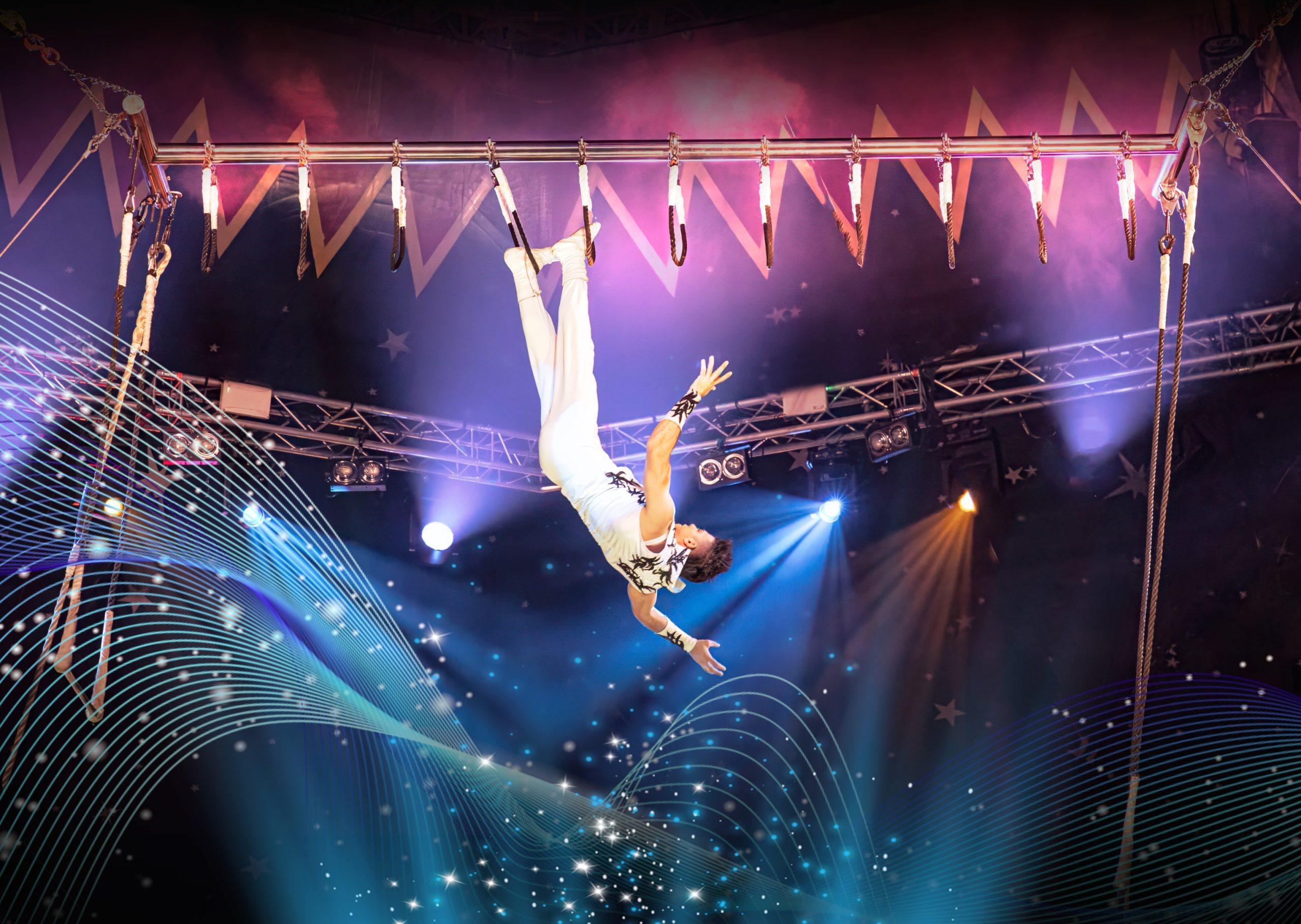
This is one of the most important questions surrounding circus today. Historically, circuses featured animals, exotic animals, and trained animals as central attractions.
Lions, elephants, and horses were often part of travelling menagerie displays, promoted as symbols of global wonder.
However, attitudes have changed.
In the UK, the regular use of wild animals in travelling circuses has been banned.
These animals were often seen as forced to perform unnatural feats, sparking ethical concerns.
Gandeys Circus reflects this modern approach.
While animal acts may still include traditional horse performances or domestic species, the focus is firmly on human talent.
The heart of the show lies with performers, not animals, aligning Gandeys with the principles of the modern circus movement.
The Rise of Contemporary Circus
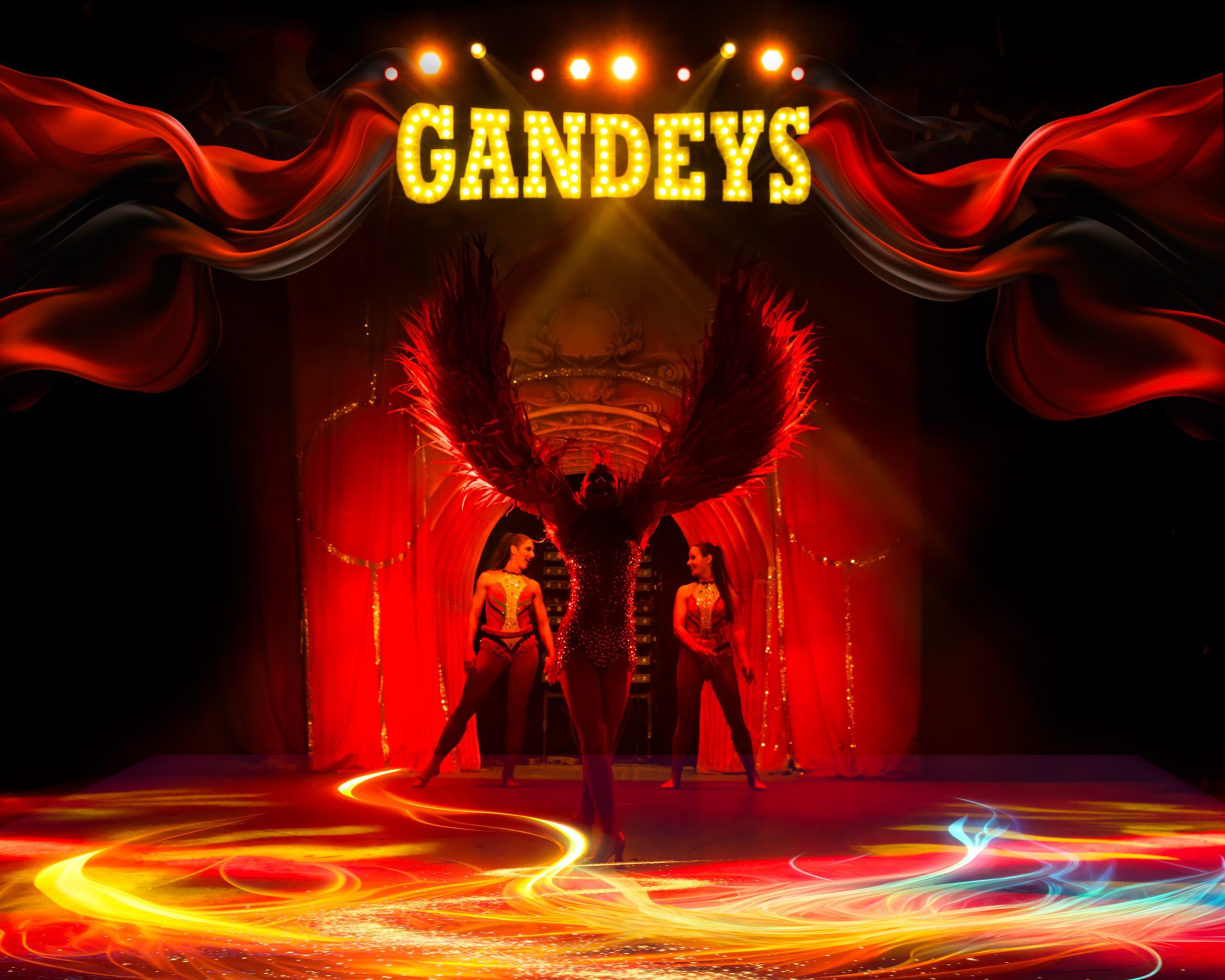
So what exactly is contemporary circus? Unlike traditional formats, it prioritises storytelling, emotional depth, and artistic cohesion.
Performances are often closer to dance or theatre, blending pantomime, narrative story, and physical theatre.
In a Gandeys show, you might see acts that explore human connection, risk, or resilience, whether you experience them at an unmissable Gandeys Circus event in the West Midlands or elsewhere on tour. .
The emphasis is on performers and their mastery, whether they are aerialists suspended above the earth or jugglers manipulating objects with impossible precision.
This shift mirrors trends across Latin America, Europe, and the UK, where circus schools and companies have redefined what circus can be.
Rather than a collection of unrelated acts, shows are structured experiences designed to immerse audiences from start to finish.
Why Circuses Still Matter
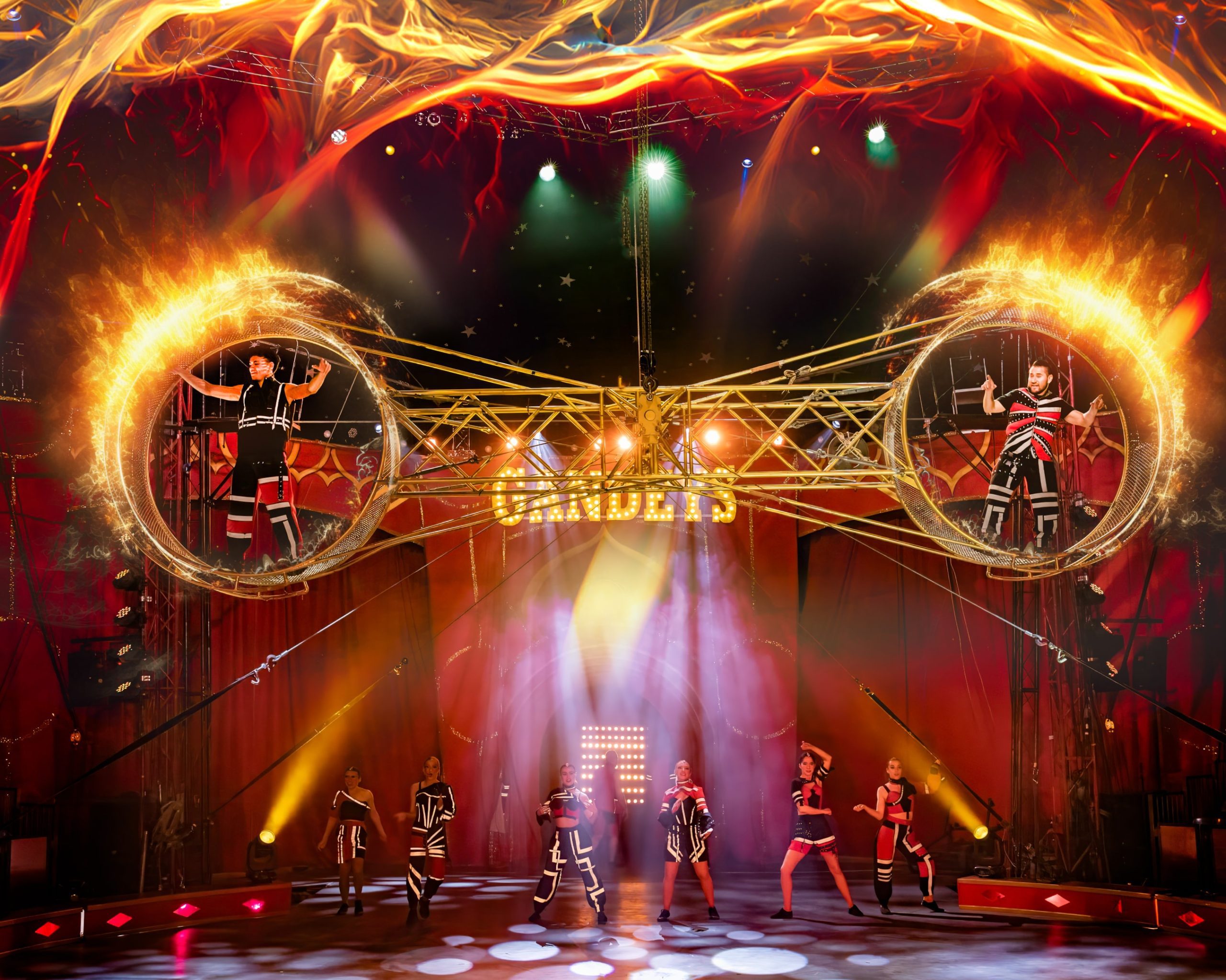
Despite changing tastes, circuses endure because they offer something rare: shared, live experience.
In an age dominated by screens, the immediacy of seeing a daring leap, hearing the crowd’s collective gasp, and feeling the tension in the arena is powerful.
Circus thrives on thrills, laughter, and genuine risk.
When an acrobat climbs higher, or a juggler pushes speed and complexity, the audience knows there is no safety net from editing or special effects.
That authenticity keeps people coming back.
For families, the circus offers multi-generational appeal. Children are enchanted by colour and motion, while adults appreciate the craftsmanship, skill, and artistry honed over several years of training.
Gandeys Circus Today
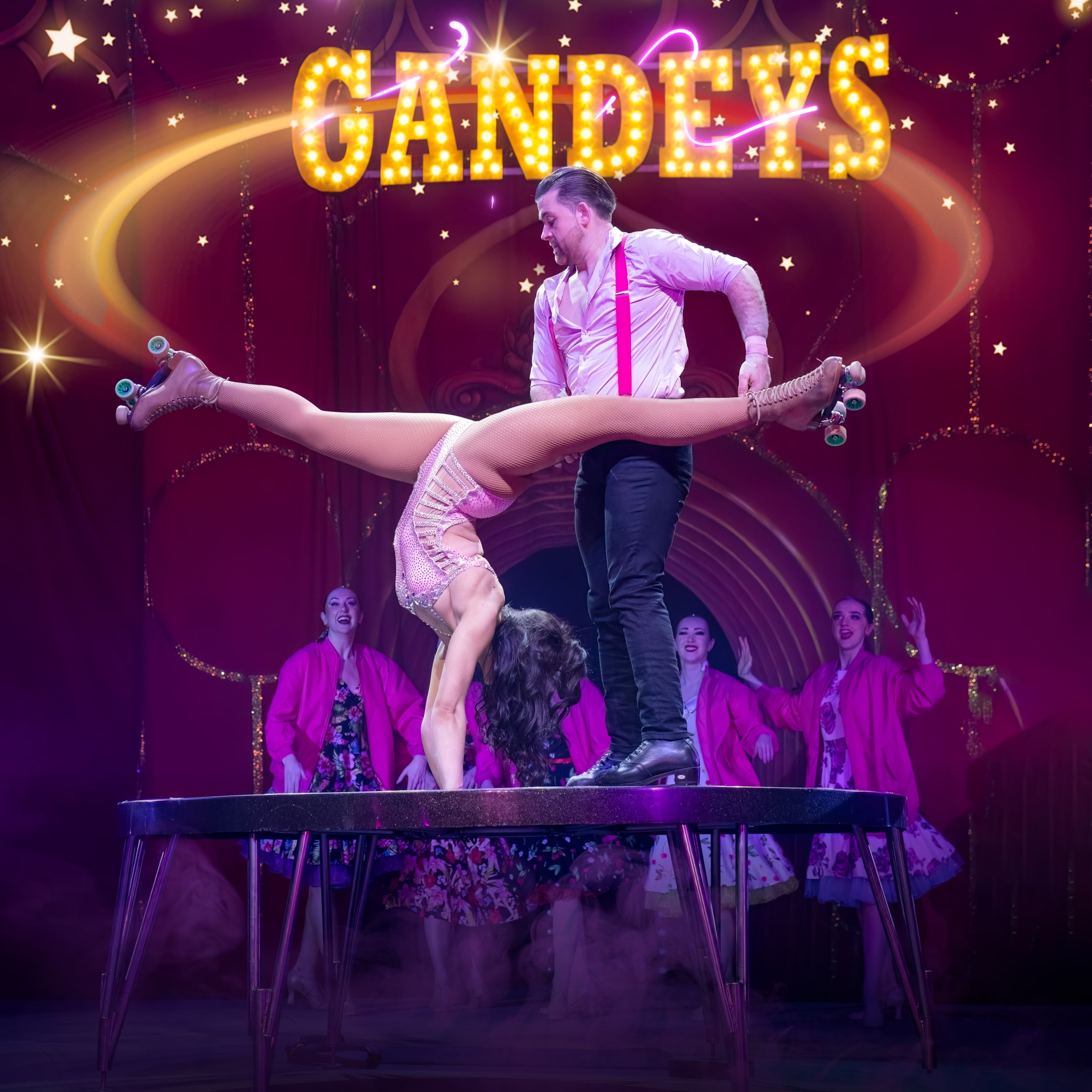
Gandeys Circus stands at the crossroads of past and future. It respects the circus tradition — the ring, the tent, the communal atmosphere — while fully embracing innovation.
With modern lighting, cinematic soundscapes, and carefully curated performances, Gandeys proves that circus is not outdated, but evolving.
Whether performing in a coastal town or a major city, Gandeys delivers a polished experience that rivals stage shows in major theatres, making appearances like Gandeys Circus in Birmingham a standout event for local audiences. .
It invites audiences to discover circus anew, not as a relic, but as a living, breathing art form.
Are Circuses Still Popular?
The answer is clear: yes — but they are different.
The circus has moved away from excess and exploitation toward creativity, ethics, and human connection.
Companies like Gandeys show how the art form can adapt without losing its soul.
From ancient races to modern aerial feats, from royal courts to touring tents, the circus has always reflected society.
Today’s modern circus is thoughtful, thrilling, and inclusive — and judging by the packed audiences under the big top, its future looks bright.