The circus has long been a symbol of wonder, fun, and shared family entertainment. For decades, people associated the big top with clowns, acrobats, music, and incredible skills that amazed audiences around the world. However, one aspect of circus history has changed dramatically in recent years: the use of animals. Today, the rise of the animal free circus marks a major shift in how circus entertainment is created, performed, and enjoyed.
This blog explores what an animal-free circus is, why it matters, and answers some of the most common questions surrounding animals in the circus industry.
What Is an Animal Free Circus?
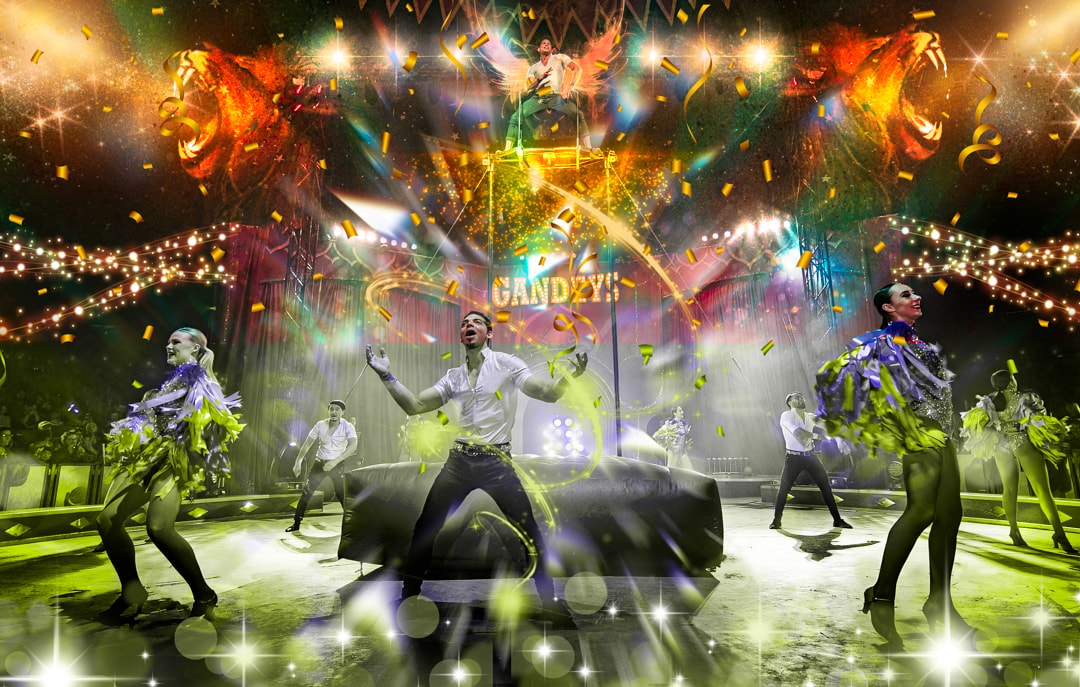
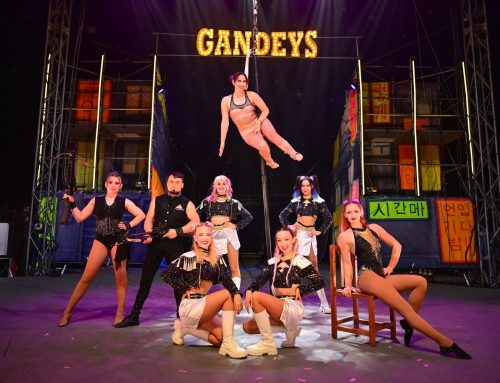
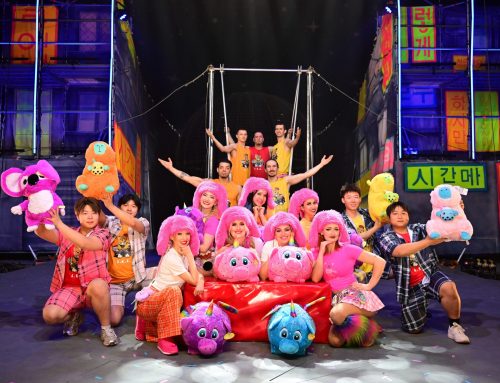
An animal free circus is exactly what it sounds like: a circus that does not use animals in its performances. Instead of relying on performing animals, modern circuses focus on human skill, creativity, and storytelling. Circus acts today feature acrobats, jugglers, clowns, trapeze artists, flying aerialists, dancers, and performers who deliver all the thrills audiences expect — without animals.
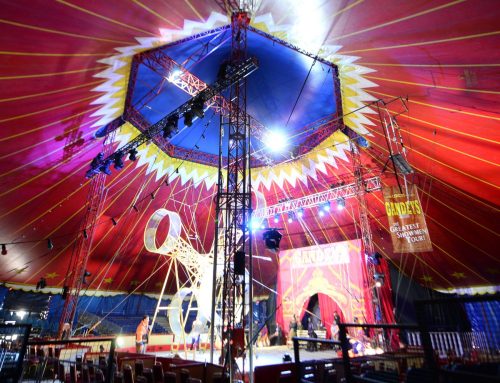
Rather than wild animals or other animals, these shows showcase human ability, imagination, and athleticism, often with spectacular lighting, music, and staging inside the big top.
What Circuses Don’t Use Animals?
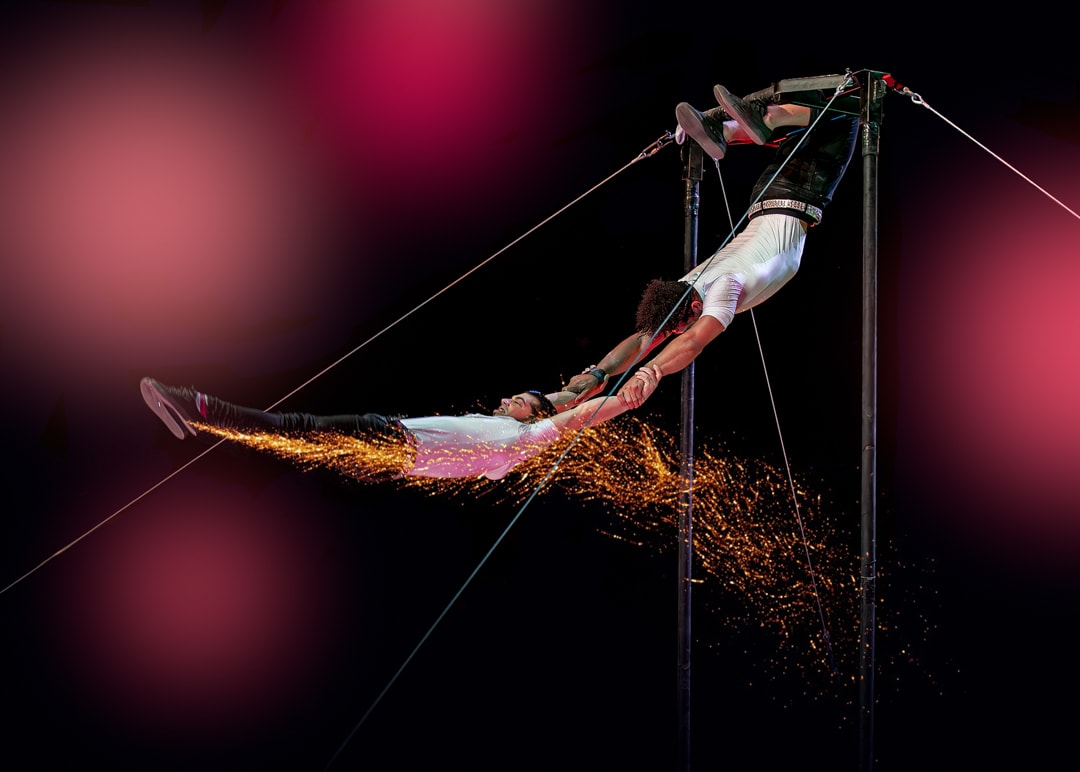
Many circuses across the UK and around the world have moved away from animals entirely. In Britain, modern circuses are now animal free, following changes in law and public opinion. Even internationally, long-running shows once known for animals — including productions linked to Ringling Bros and Ringling — eventually phased out animals before closing touring operations.
Some older names were historically associated with animals, including circus elephants, tigers, lions, bears, monkeys, and other species. However, the global circus landscape has shifted. Today’s leading circuses focus on performers rather than animals, redefining what circus entertainment means for children and adults alike.
Can You Have a Circus Without Animals?
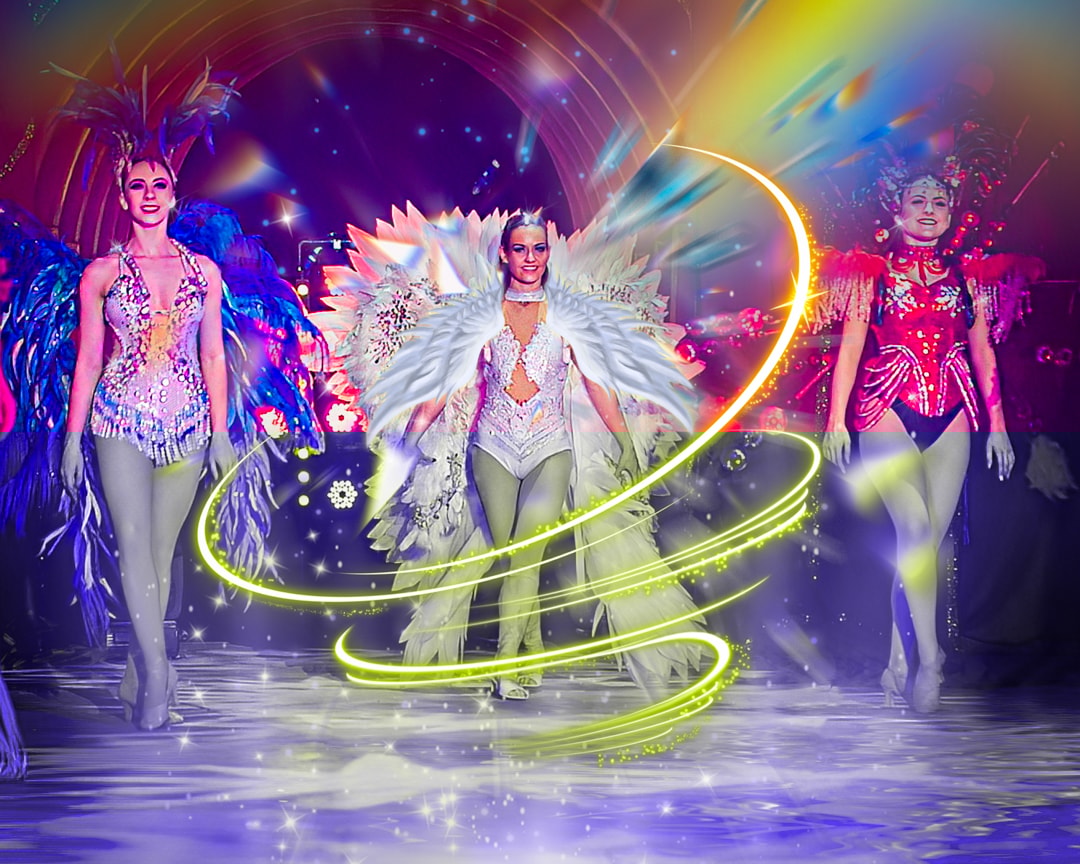
Absolutely. In fact, modern audiences often prefer it.
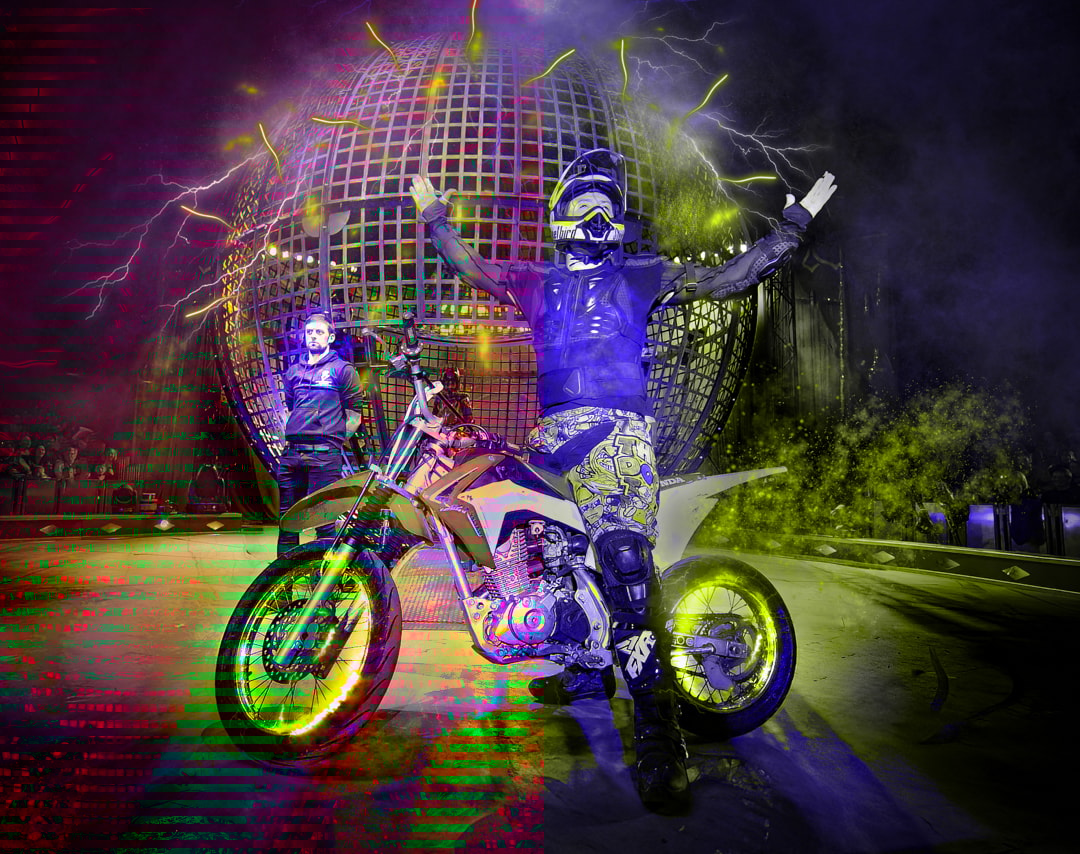
A circus without animals can still deliver excitement, danger, beauty, and spectacle. High-flying trapeze artists, acrobats, jugglers, and performers executing death defying stunts or routines that feature death defying stunts bring adrenaline and awe — without involving animals. These acts rely on years of training, strength, balance, and trust between humans.
From tigers jumping through hoops to animals standing on hind legs, many traditional animal tricks were designed to imitate natural behaviour but were often forced through training methods now widely criticised, especially when you look at the broader definition and history of the circus. Today, human-based circus acts remove that ethical question entirely.
Are Animal Circuses Illegal in the UK?
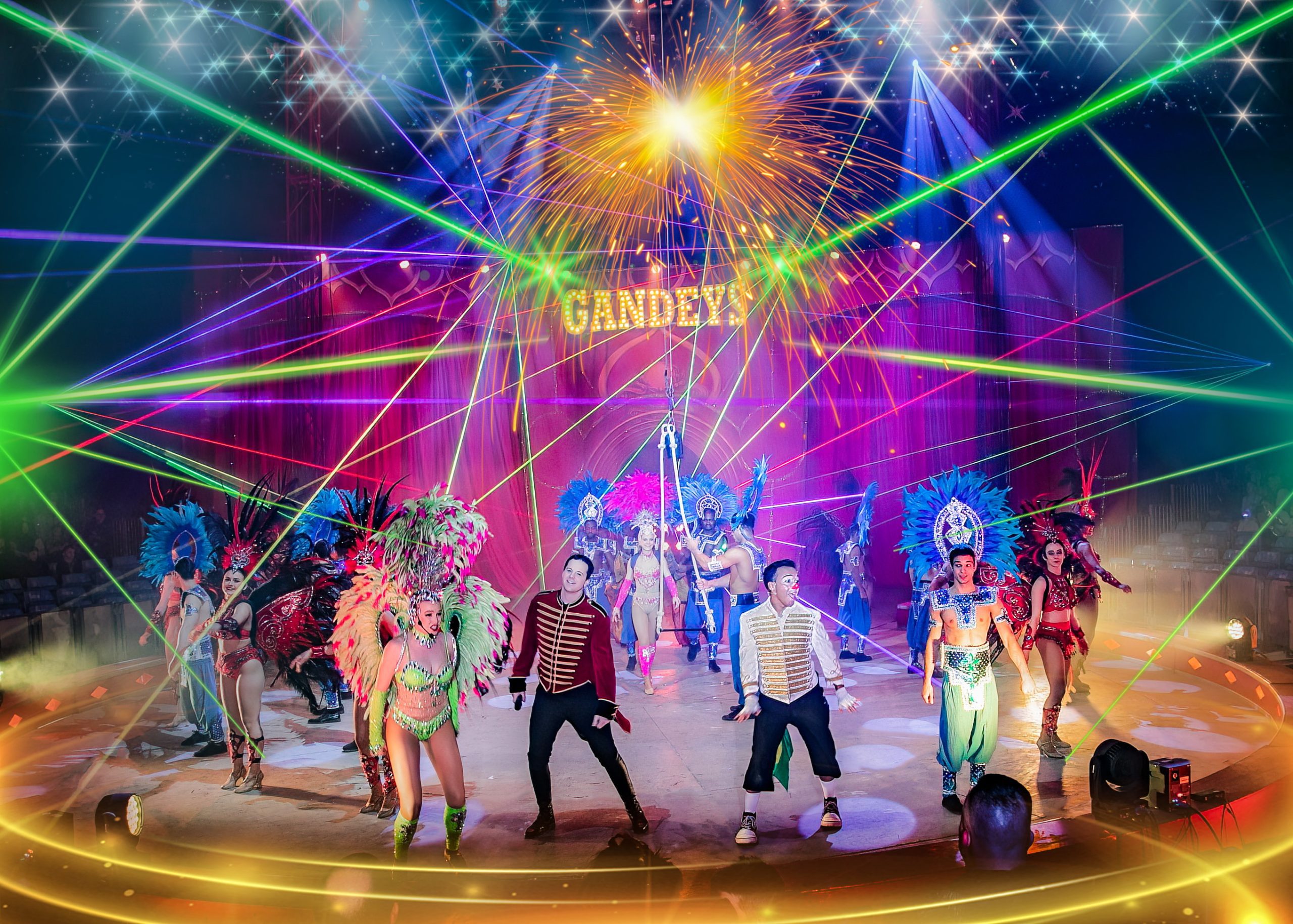
Yes. In England, wild animals are no longer permitted in circuses under legislation linked to the Animal Welfare Act and subsequent regulations. This effectively ended wild animal circuses in the UK.
While some countries have partial bans, Britain has taken a clear stance. The decision was driven by growing awareness of animal welfare, concerns over animal cruelty, and the understanding that animals belong in their native habitats, not in touring entertainment.
This ban applies specifically to wild animals — including big cats, elephants, lions, tigers, and other species — recognising that captivity, transport, and performance environments can negatively affect animals’ physical and mental wellbeing.
Do Circuses No Longer Have Animals?
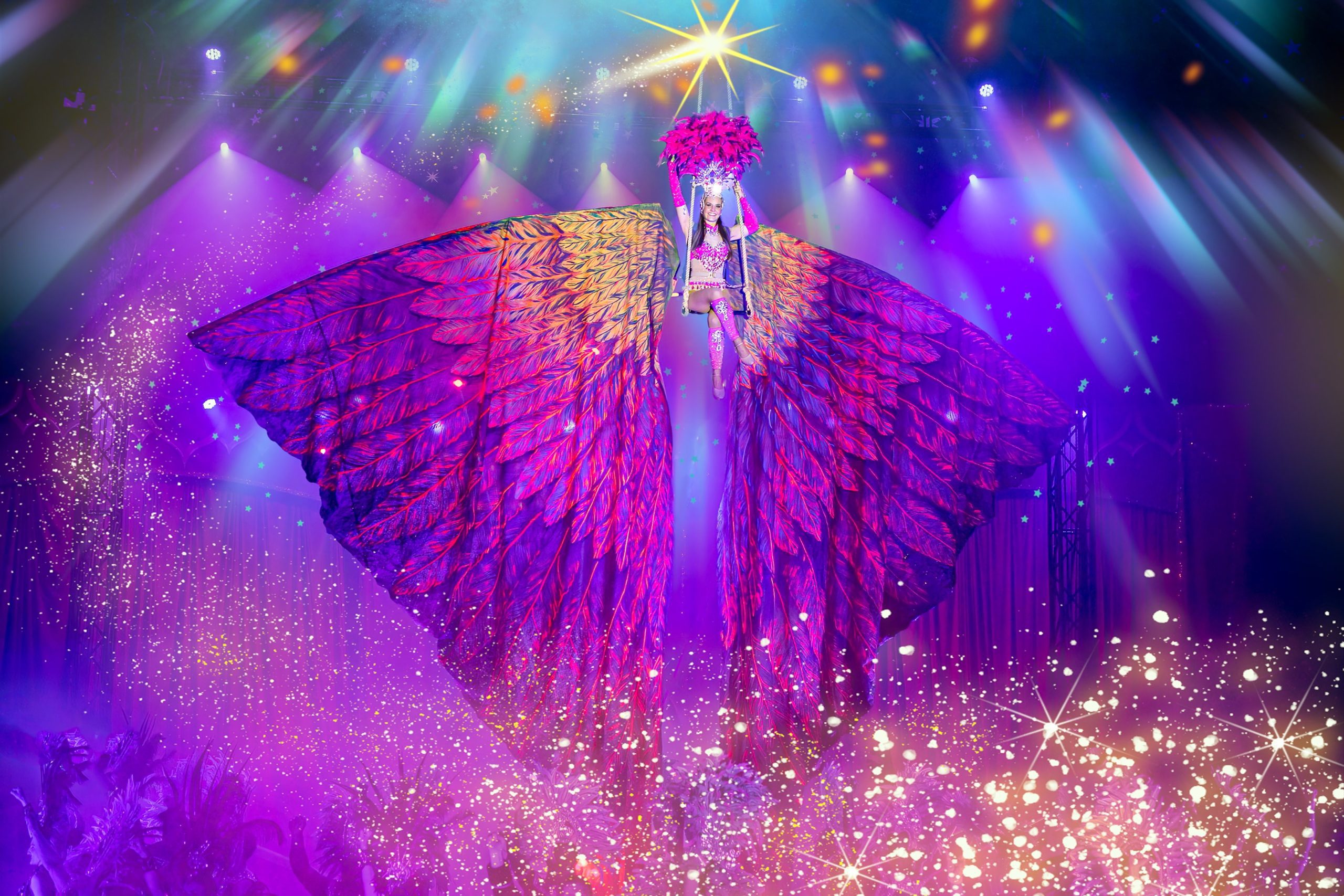
In the UK, circuses no longer use wild animals. Instead, they have evolved into dynamic, creative, and visually stunning productions led entirely by humans.
Around the world, more countries are introducing bans or restrictions, reflecting changing attitudes toward animals in entertainment. While animal acts may still exist in limited forms elsewhere, the overall direction of the circus world is moving firmly toward animal free performances.
This evolution proves that circuses can thrive without animals — and many would argue they are better for it.
Why Were Animals Used in Circuses Historically?
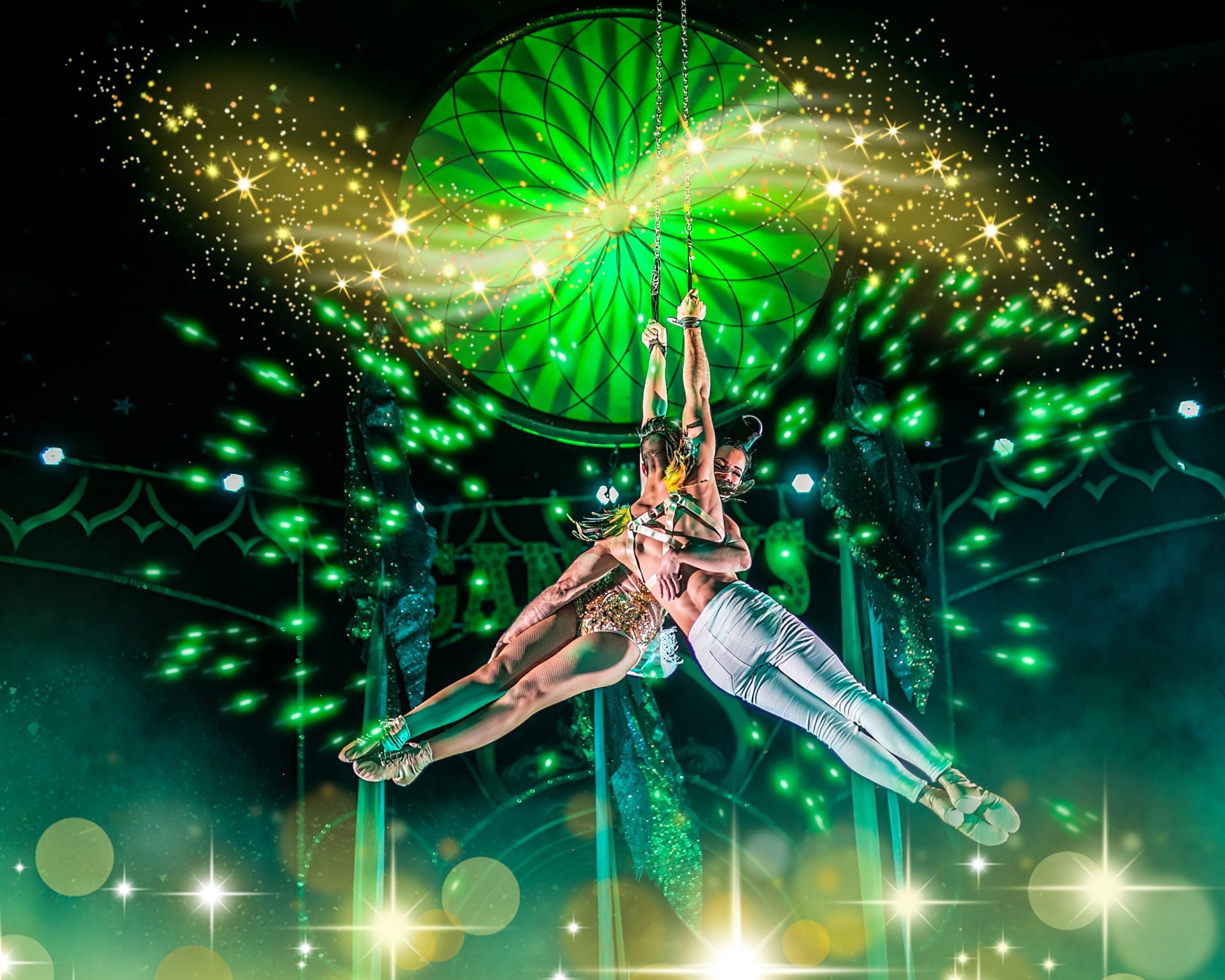
Historically, circuses used animals to attract attention. Seeing exotic species such as tigers, elephants, cats, or bears was once rare, and travelling shows offered people a glimpse of animals they might never otherwise encounter.
However, these animals were kept in captivity, transported constantly, and trained to perform unnatural behaviours — riding bicycles, standing on their heads, or jumping on command. While these acts were marketed as fun, modern understanding of welfare highlights the stress, confinement, and lack of choice animals often experienced.
Animal Welfare and Changing Attitudes
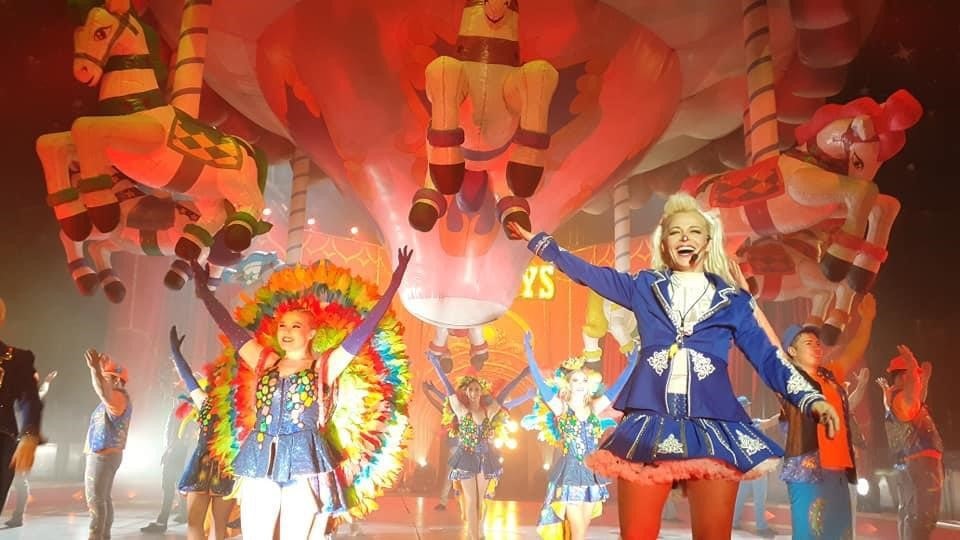
Growing awareness of animal welfare and cruelty has played a key role in transforming the circus industry. Research and advocacy highlighted how life in a circus differs dramatically from an animal’s natural environment.
Concerns included limited space, constant travel, exposure to loud music and crowds, separation from mothers, and training techniques that relied on fear or control. These issues led many audiences to question whether animals could ever truly perform by choice.
Protecting animals and recognising their right to live according to their nature has become a priority — especially where children are concerned.
What Replaced Animal Acts?
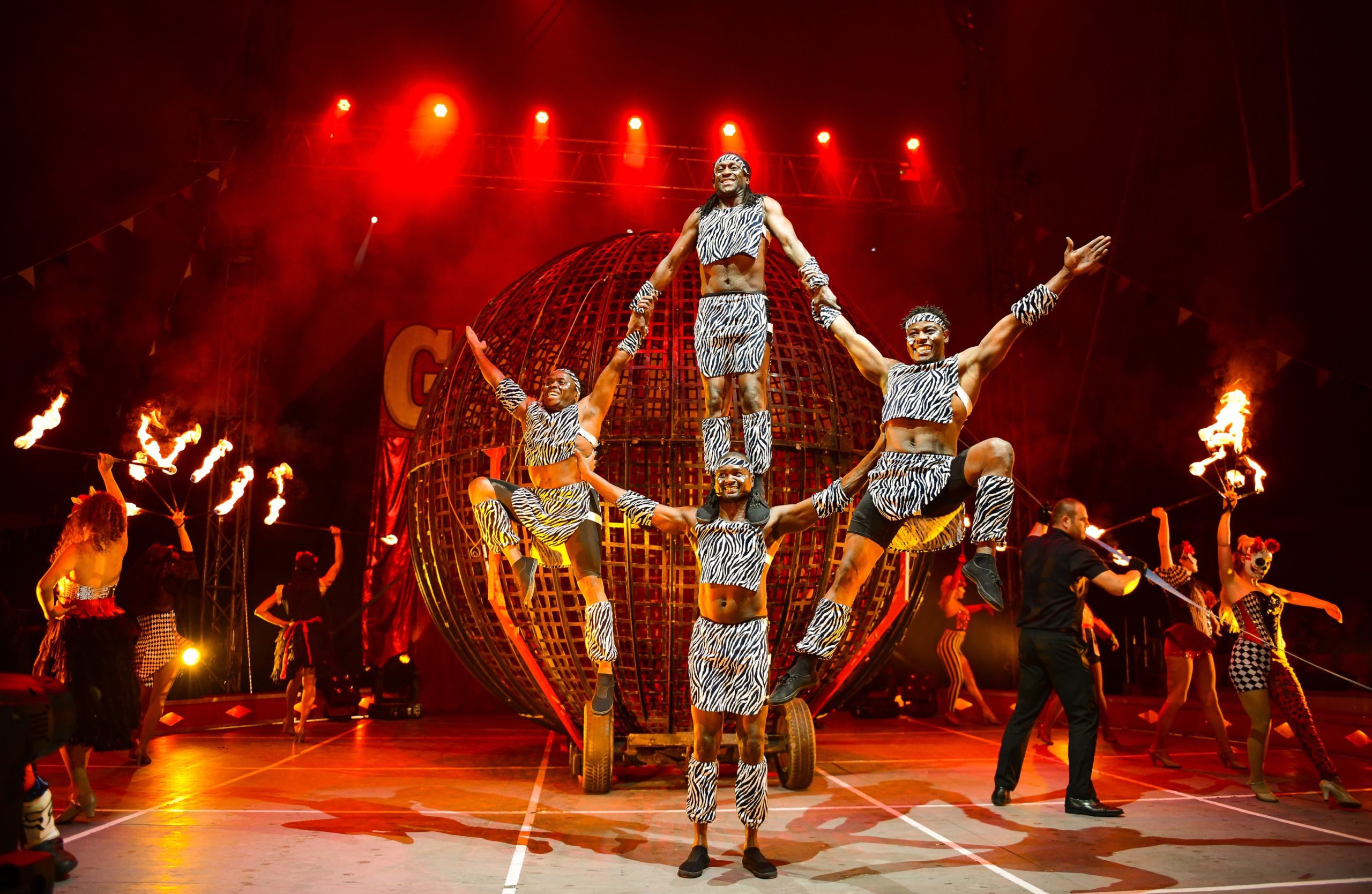
In place of animal acts, modern circuses have expanded human creativity. Performers now deliver shows filled with:
- Acrobats demonstrating strength and flexibility
- Trapeze artists soaring above the ring
- Jugglers and magicians bring precision and illusion
- Clowns offering humour and play
- Performers blending circus with theatre, dance, vaudeville, burlesque, and music
These acts focus on beauty, safety, and storytelling, offering fun and excitement without ethical compromise and demonstrate how modern circus has evolved beyond animals.
Why Animal Free Circus Is Better for Children
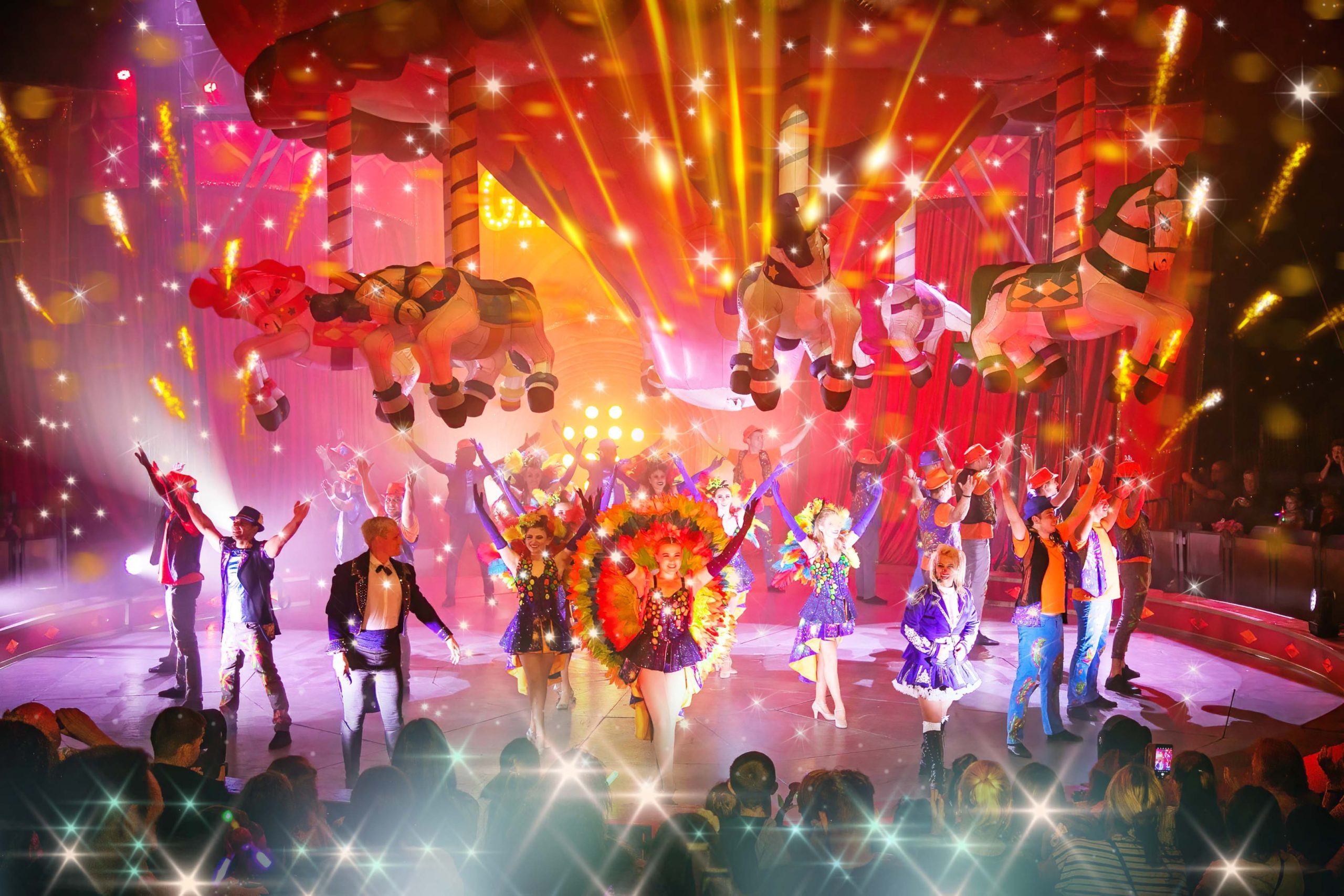
For children, an animal free circus offers pure enjoyment without confusing messages. Kids can admire human skill, teamwork, and dedication, and some may even be inspired to explore how to join the circus as performers, rather than learning that animals should perform tricks for entertainment.
Animal free circuses encourage empathy, respect for wildlife, and understanding that animals are not props. This aligns with modern values around protecting animals and teaching responsibility.
A Global Movement
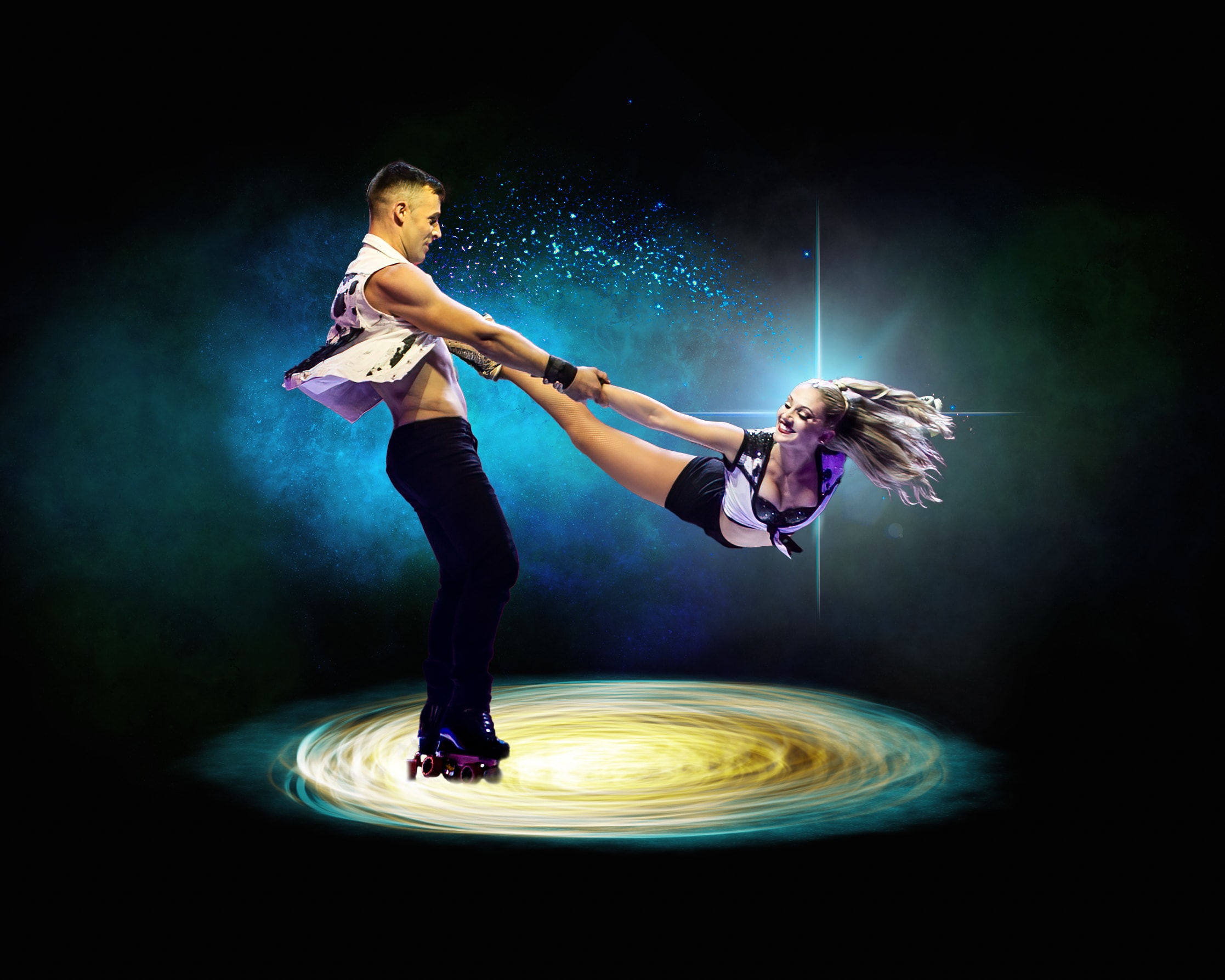
The shift toward animal free circus is a global movement. From Europe to America — including cities like San Diego — public opinion continues to evolve. Major entertainment companies such as Feld Entertainment responded to changing expectations, reflecting a worldwide demand for ethical entertainment.
Circus is no longer defined by animals — it’s defined by imagination, risk, and human creativity, something reflected in the spectacular story of Gandey’s Circus.
Final Thoughts: The Future of Circus
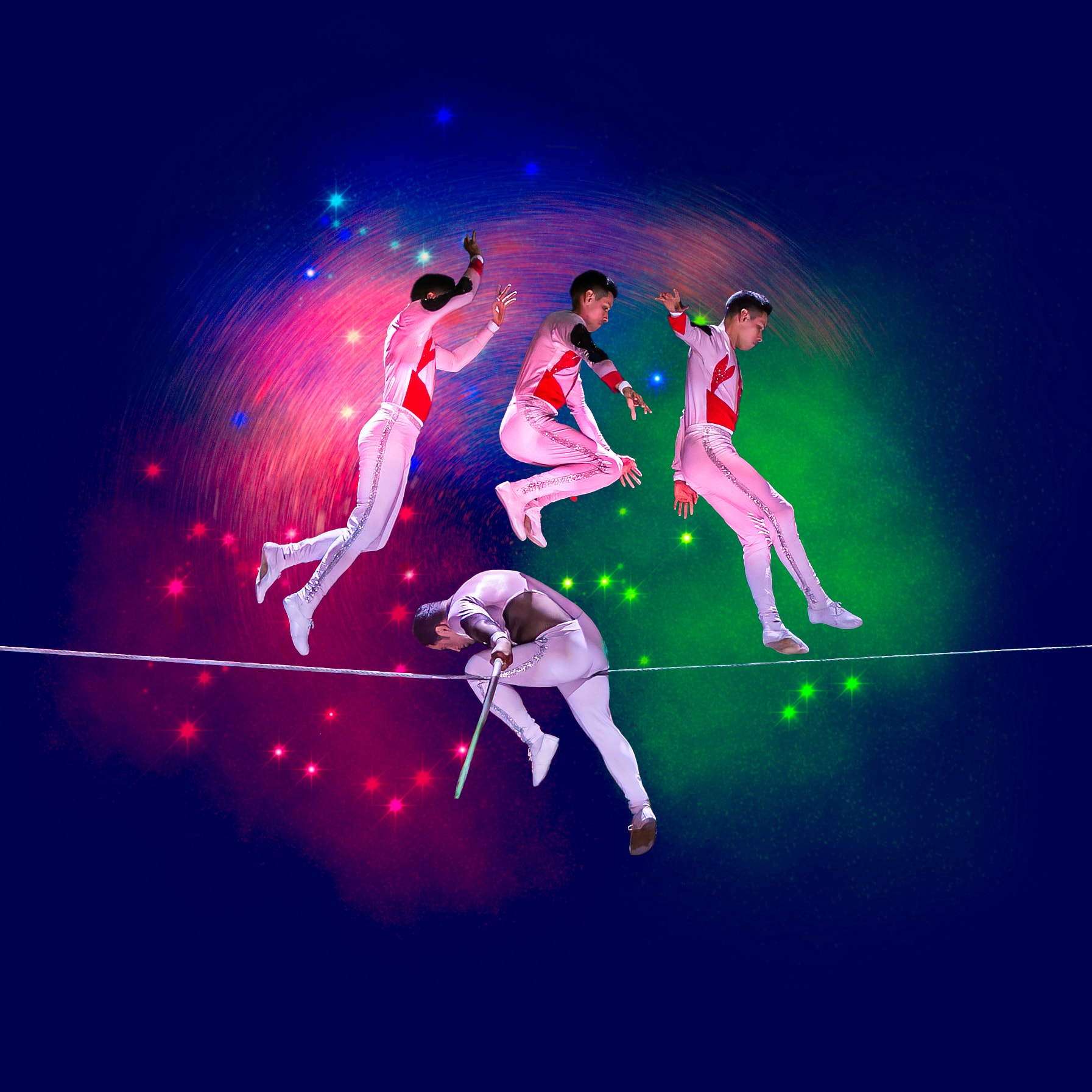
The animal free circus represents the future of live entertainment. It proves that you can have excitement, spectacle, danger, and wonder without using animals.
By focusing on humans, creativity, and performance, circuses protect animals, respect their ability to live freely, and deliver unforgettable experiences for audiences of all ages.
Circus has always evolved across decades, as shown by the fascinating journey of Gandey’s Circus, and this change is one of its most important. An animal free circus is not a loss — it’s a powerful example of how entertainment can grow more ethical, inclusive, and inspiring while still delivering joy, magic, and fun under the big top.