The phrase “the circus” can mean very different things depending on where you stand. In one moment, it evokes acrobats flying through the air under a glowing big top. In another, it refers to a perfect Georgian circle of historic stone townhouses in Bath, one of the architectural treasures of Britain. It even appears in the shadowy world of espionage and in modern television.
From Gandeys’ thrilling live performances to the iconic landmark in Bath, let’s explore what the circus really means — and answer some of the most frequently asked questions along the way.
What Is The Circus in the UK?
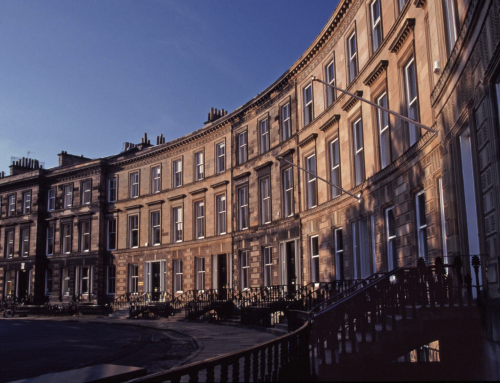
In the UK, “The Circus” most famously refers to the architectural masterpiece in Bath designed by John Wood the Elder and later completed by his son, John Wood the Younger.
Construction began in the mid-18th century, when the first stone was laid in 1754. Tragically, Wood died just months later, and his son carried the project forward, ensuring the ambitious design was fully completed by 1768.
A Perfect Key Shape
The Circus consists of a grand circular arrangement of Georgian townhouses. When viewed from above, the layout forms a subtle key shape, connecting to nearby Queen Square — another of Wood’s buildings. The circus consists of three curved terraces forming a complete ring, with three entrances allowing access to the central lawn.
The diameter of the circle measures approximately 318 feet, and its uniform façade creates a powerful visual centre point in the city. The design is often considered the principal centre of Georgian architectural ambition in Bath.
Symbols in Stone
Look closely at the exterior and you’ll see carvings that adorn the frieze — including nautical symbols, acorns, serpents, and motifs that some historians argue resemble a masonic symbol similar to other Enlightenment-era iconography. Some believe the layout itself echoes a masonic symbol, though scholars remain divided.
What is certain is that Wood was deeply interested in geometry, ancient history, and symbolism. His work here reflects a belief that architecture could inspire civic pride and artistic love of form.
Today, The Circus in Bath is a Grade I listed architectural group, often described as the heart of Georgian design in Britain. It remains a residential area — each elegant house privately owned — yet visitors from around the world come to stand in the middle of the ring and immerse themselves in its remarkable history.
Why Is The Circus in Bath Famous?
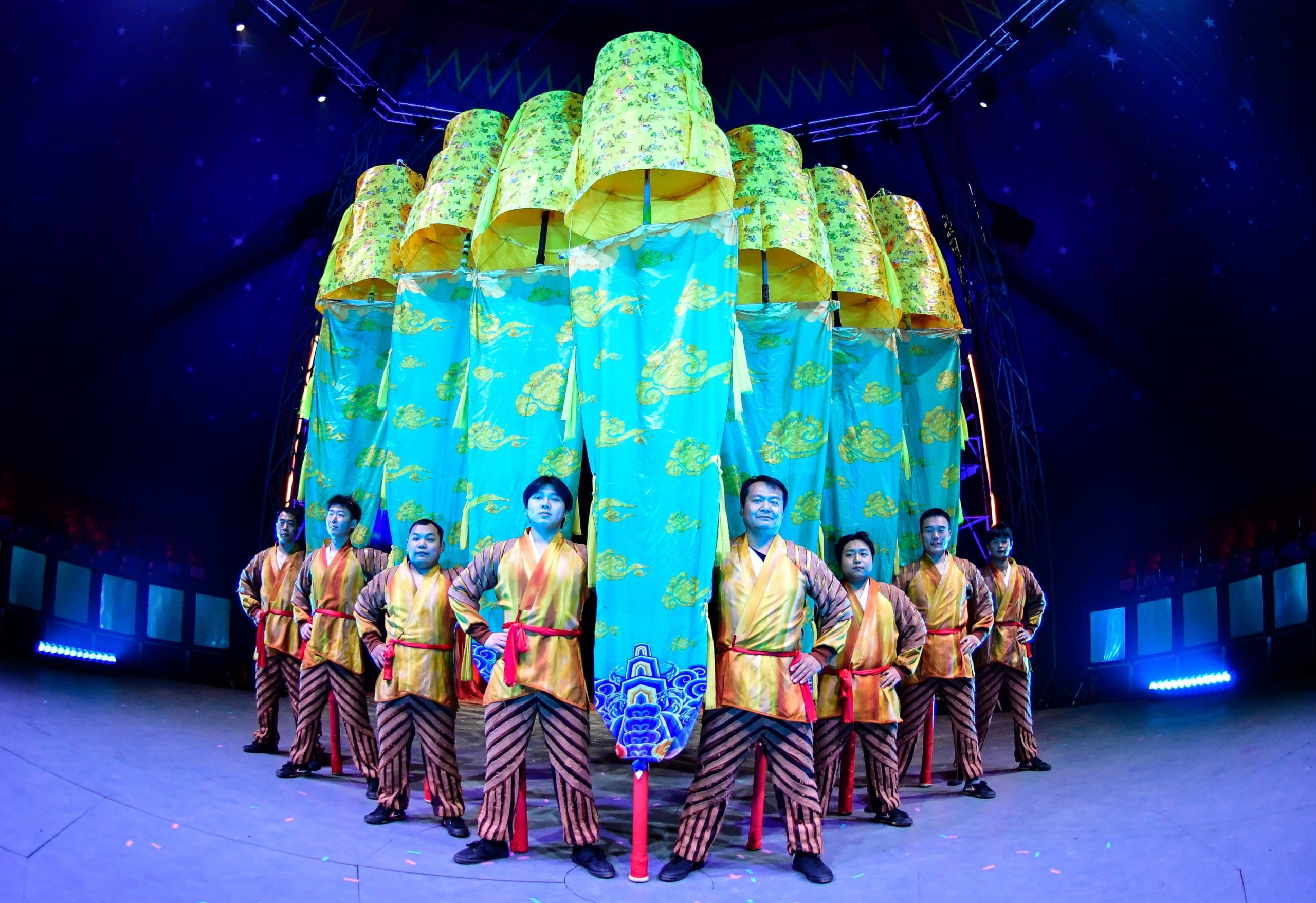
The Circus in Bath is famous for several reasons:
- Architectural Innovation – Its bold circular design was revolutionary at the time of construction.
- Symbolic Detail – The carved stone decorations, including serpents and floral motifs, have convinced generations that deeper meaning was written into its design.
- Urban Planning Legacy – It connects seamlessly with Queen Square and the Royal Crescent, forming a visionary plan for Bath’s growth.
- Cultural Influence – Artists, writers, and filmmakers have used it as a backdrop in pictures, video projects, and period dramas.
It is widely considered one of the finest examples of Georgian urban planning in Britain. Its uniform stone façade, strong proportions, and harmonious circle continue to inspire architects today.
Why Is MI6 Called “The Circus”?
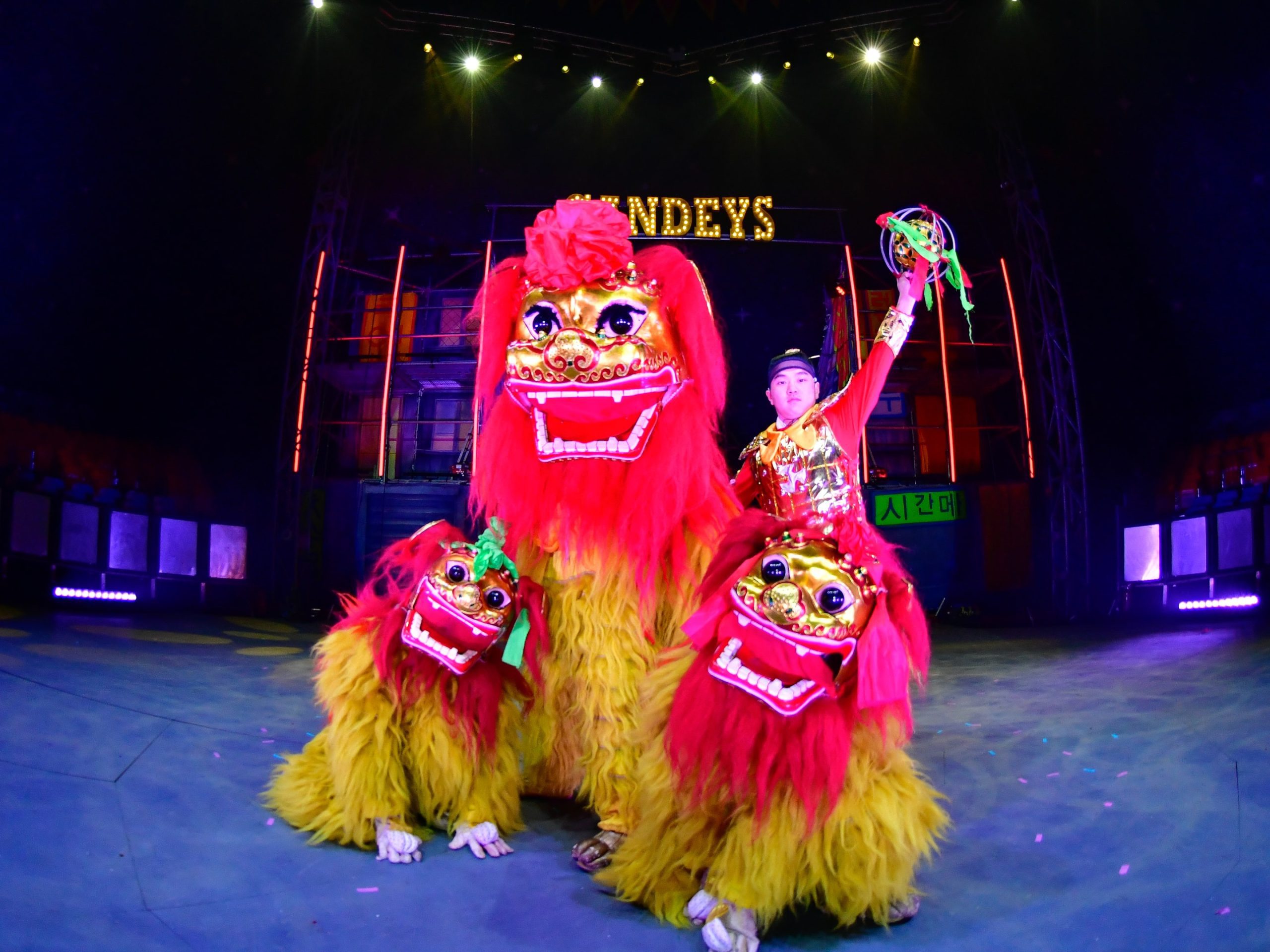
The term “The Circus” is also famously used in British espionage fiction to describe MI6 headquarters.
The nickname became popular through the novels of John le Carré. In his stories, the British Secret Intelligence Service is nicknamed “The Circus” because its fictional headquarters was located near Cambridge Circus in London.
In this context, the word reflects a world of performance, deception, and carefully directed operations — much like a circus ring where different acts must work together seamlessly. The comparison suggests layers of intrigue, carefully edited intelligence, and high-stakes business conducted behind closed doors.
While MI6 itself is not officially called The Circus, the literary term has endured in popular culture.
What Happened to The Circus TV Show?
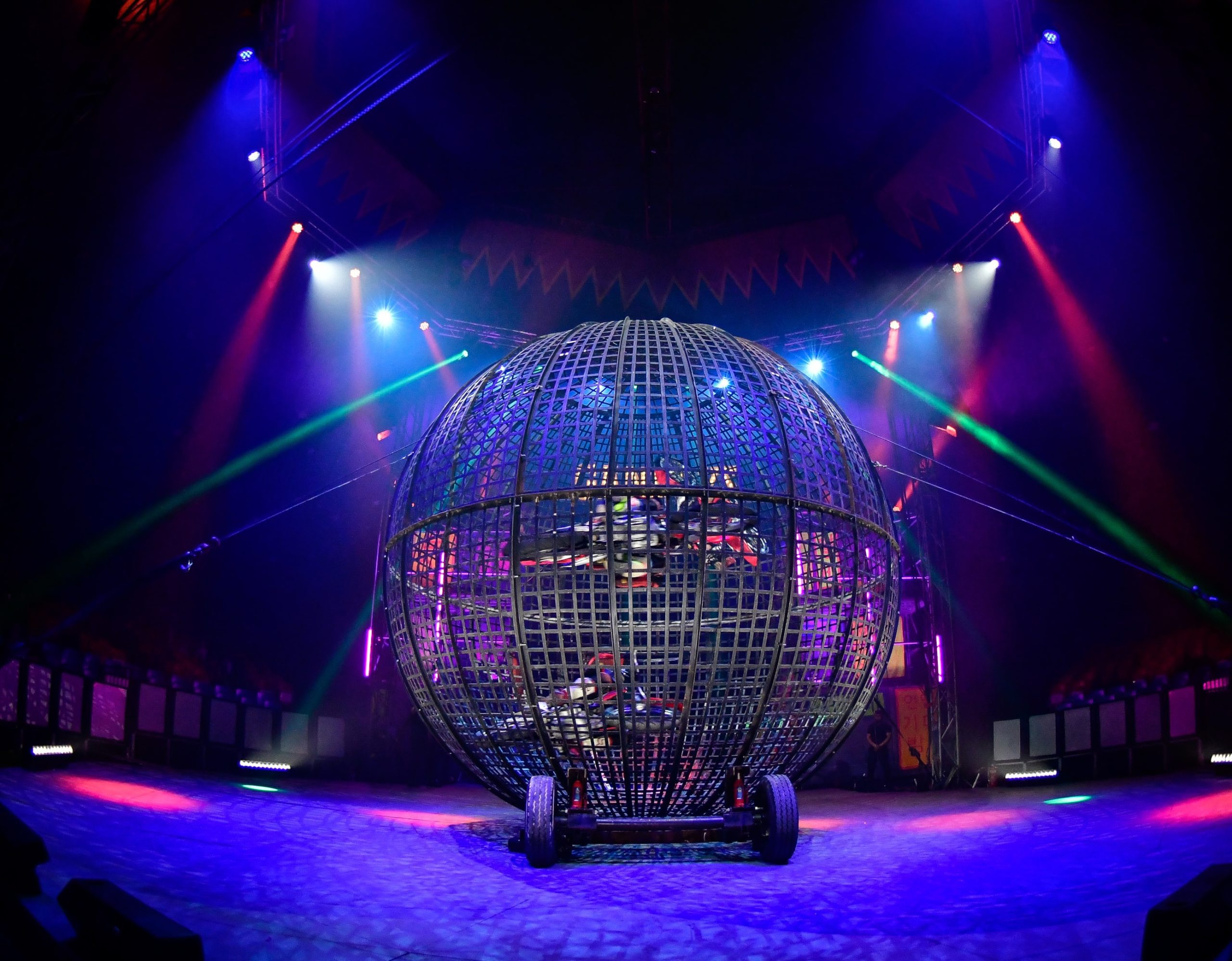
The Circus was an American political documentary series that followed campaign trails and national events in near real-time.
The show was known for its fast turnaround — episodes were often produced and released within days of filming. It gave viewers an immersive, behind-the-scenes look at modern politics.
After several seasons, the programme concluded in 2022. It wasn’t exactly “cancelled” abruptly but wrapped up after covering multiple election cycles. Fans appreciated its ability to find the human story at the centre of political drama.
The title cleverly echoed the idea that politics, like the circus, can feel wild, theatrical, and sometimes overwhelming.
Gandeys and The Living Circus Tradition
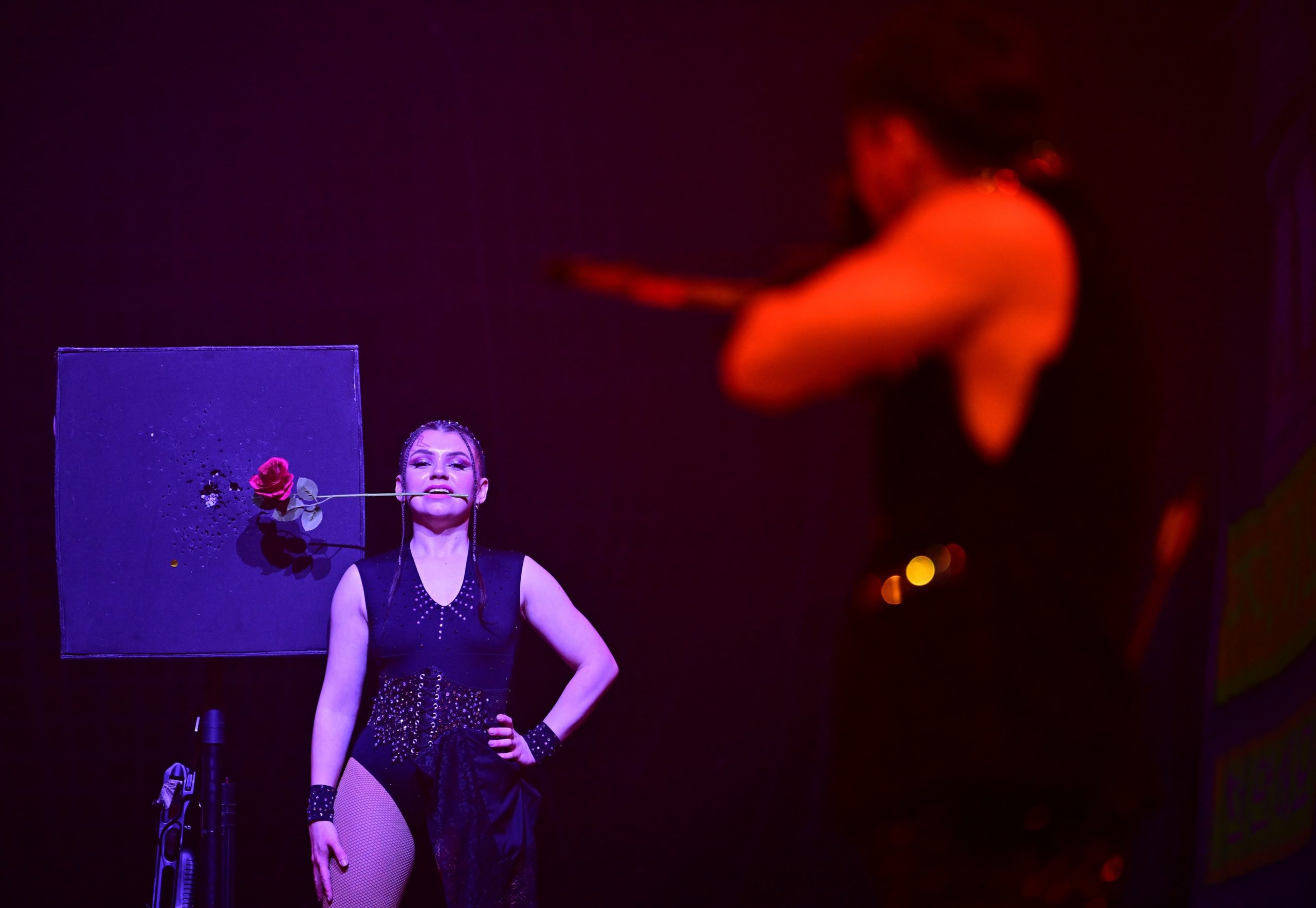
While Bath’s Circus is built in stone, Gandeys brings the circus to life in motion.
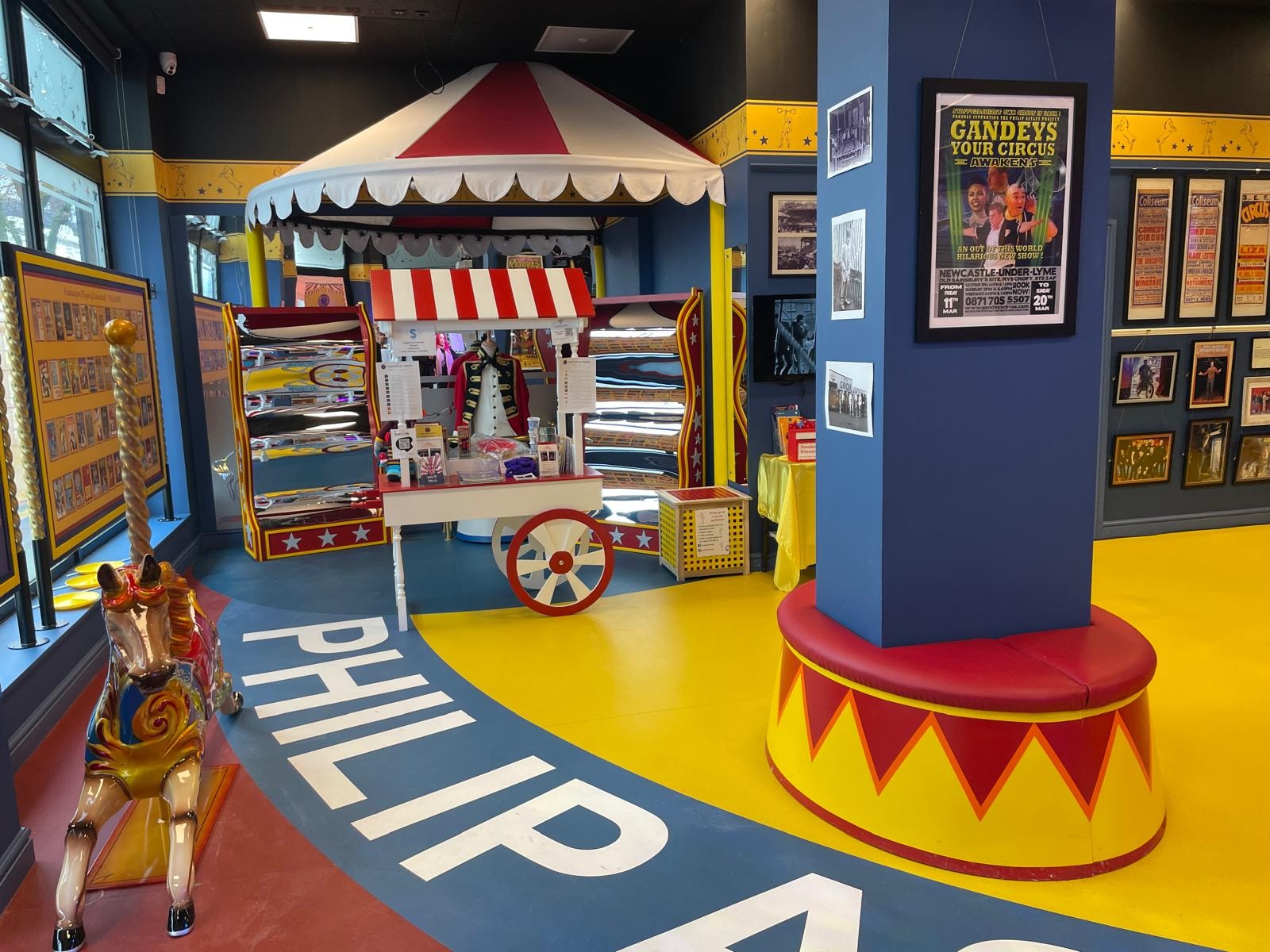
Gandeys Circus is a long-running family business with deep roots in Britain’s live entertainment tradition. For over a century, the Gandey family has promoted touring productions across the UK and beyond, creating inspiring shows that combine daring acrobatics, music, lighting design, and theatrical storytelling.
A Ring of Energy
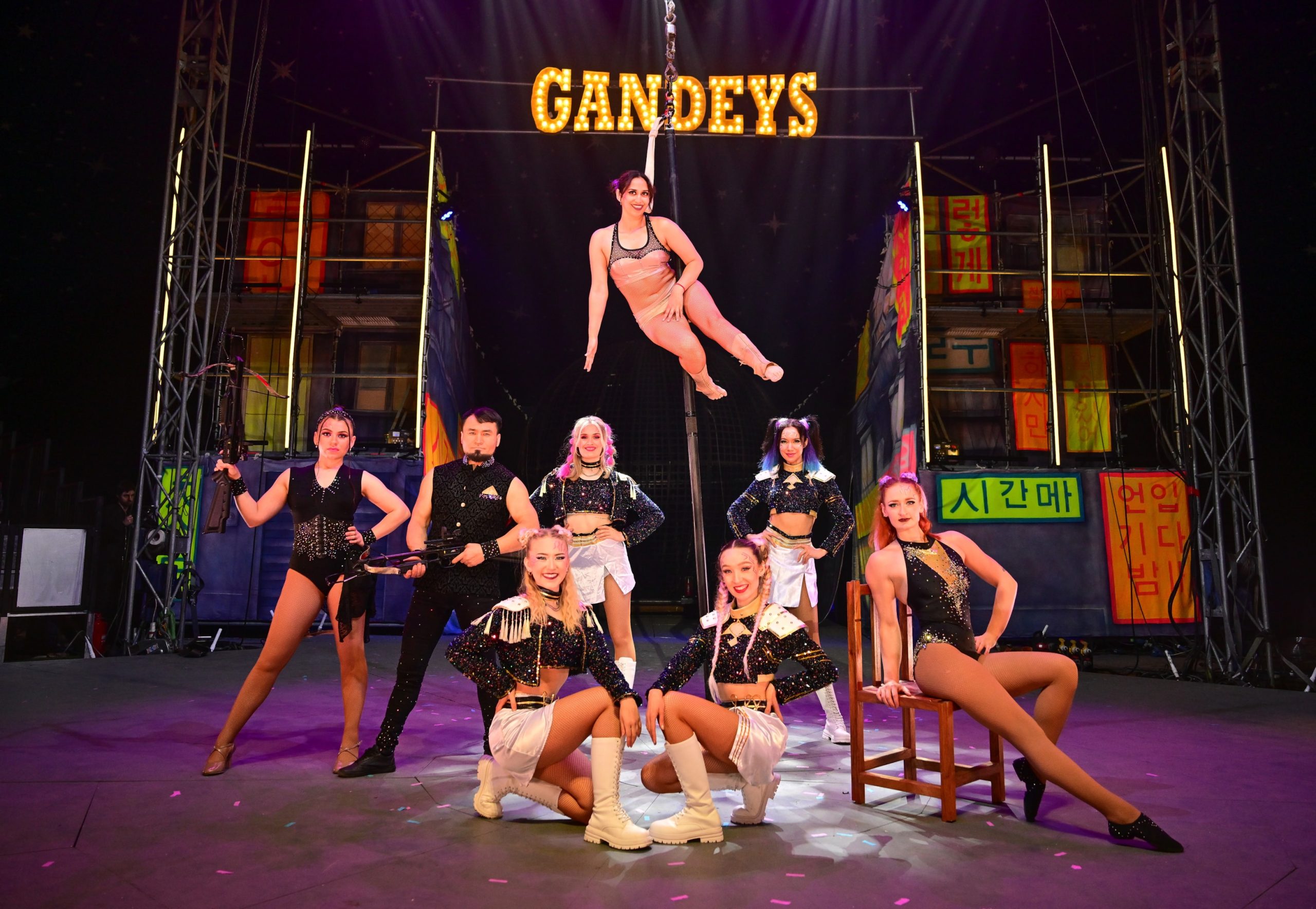
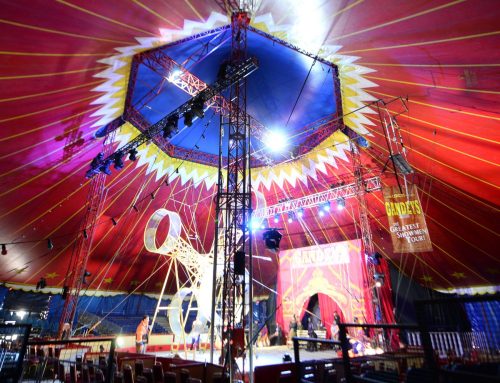
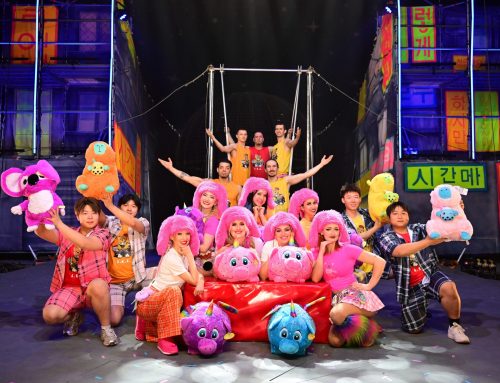
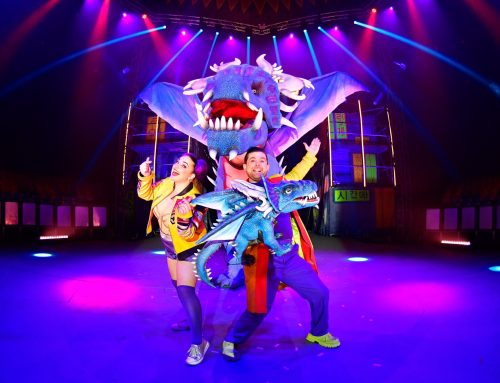
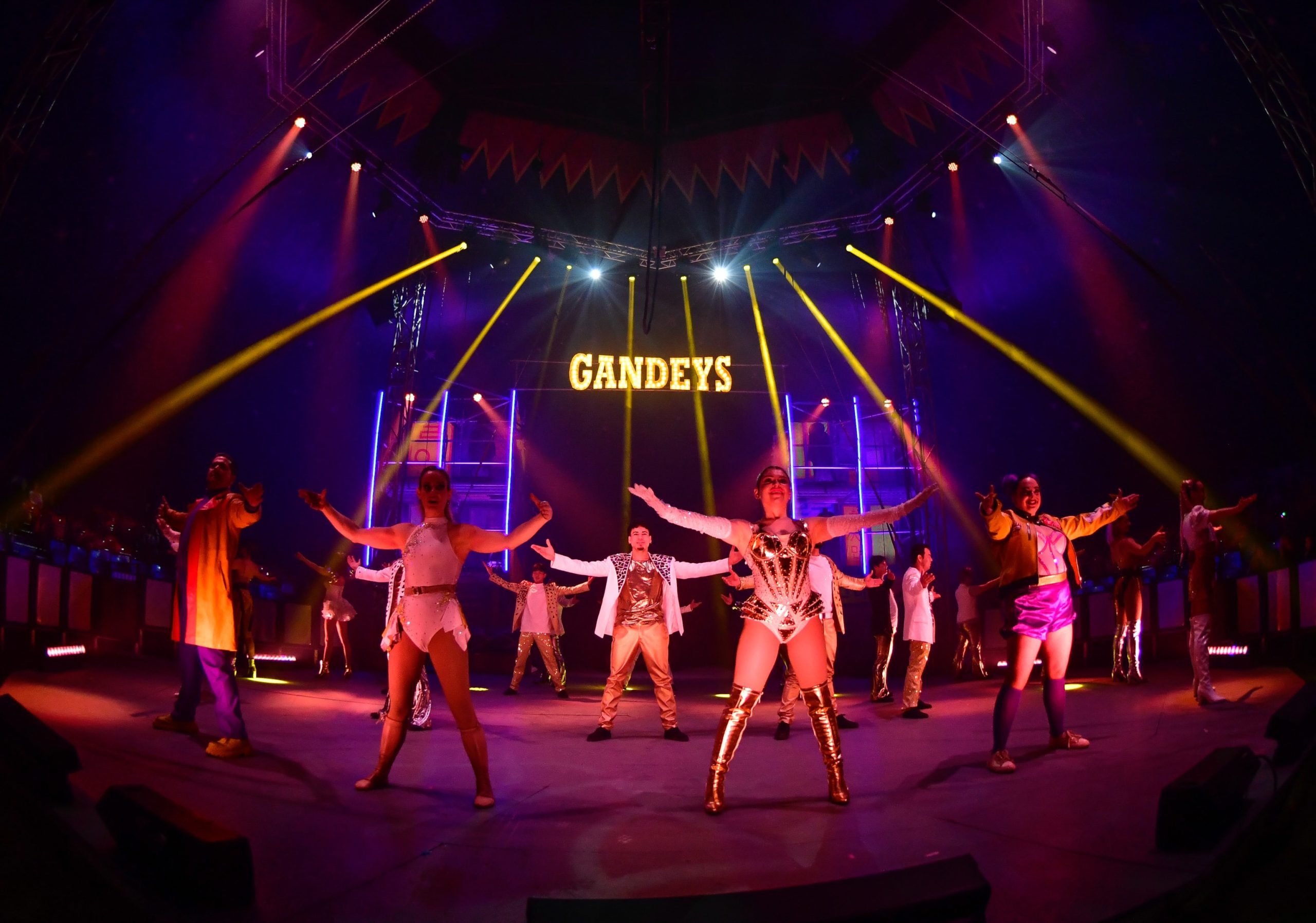
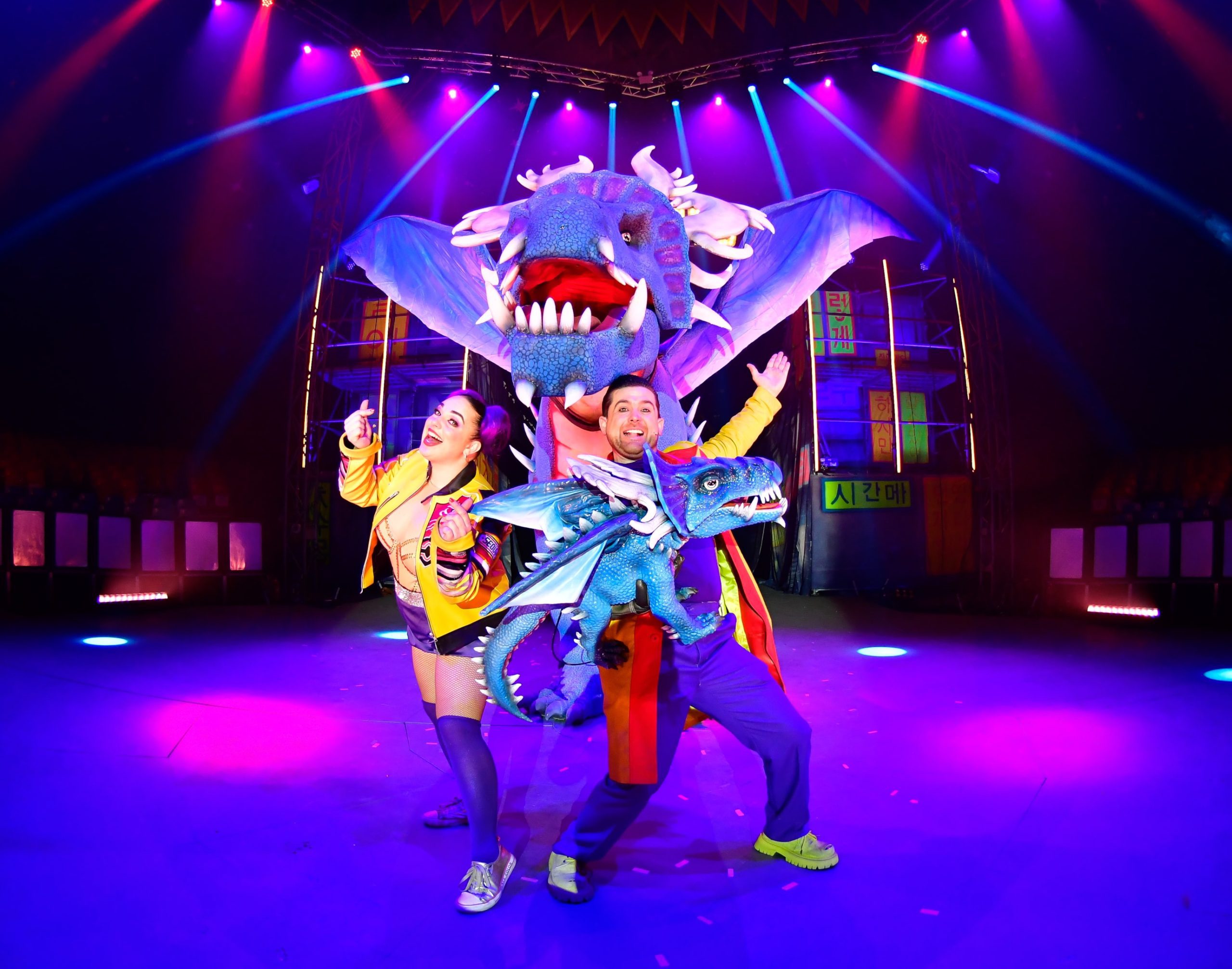
Inside the big top, the ring becomes the principal centre of attention. Performers stand poised before launching into breathtaking acts — aerial silks, motorbike stunts, and precision choreography in spectacular productions like Gandeys’ K-POP Dragon Circus and Snowstorm Wish. Months of rehearsal go into making each performance feel effortless.
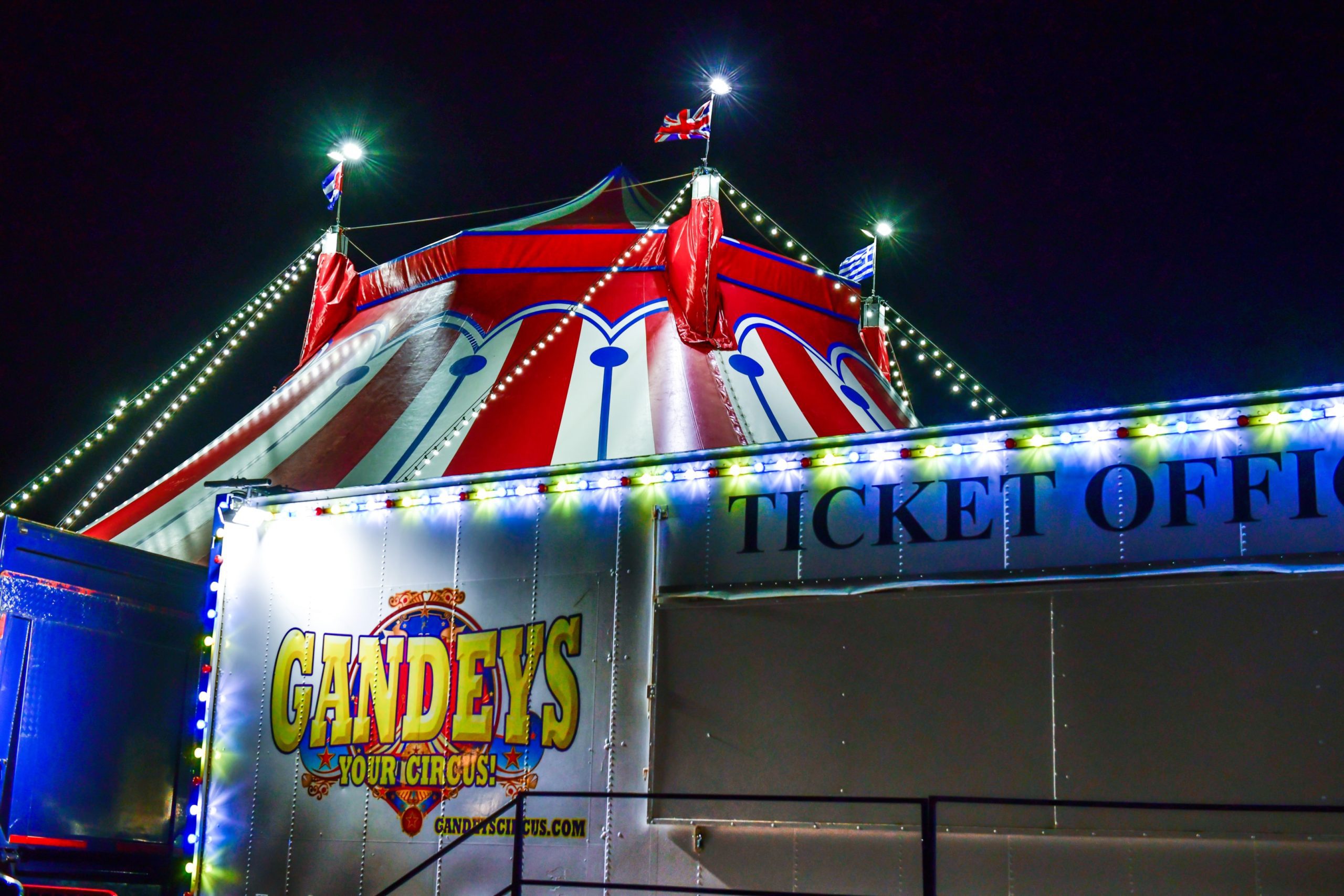
Unlike the fixed stone circle in Bath, Gandeys’ circus travels from town to town, with major tour stops such as the Gandeys Circus Birmingham spectacular. Its temporary home rises in fields and city centres alike, transforming open air into a vibrant performance space.
Creating Spectacle
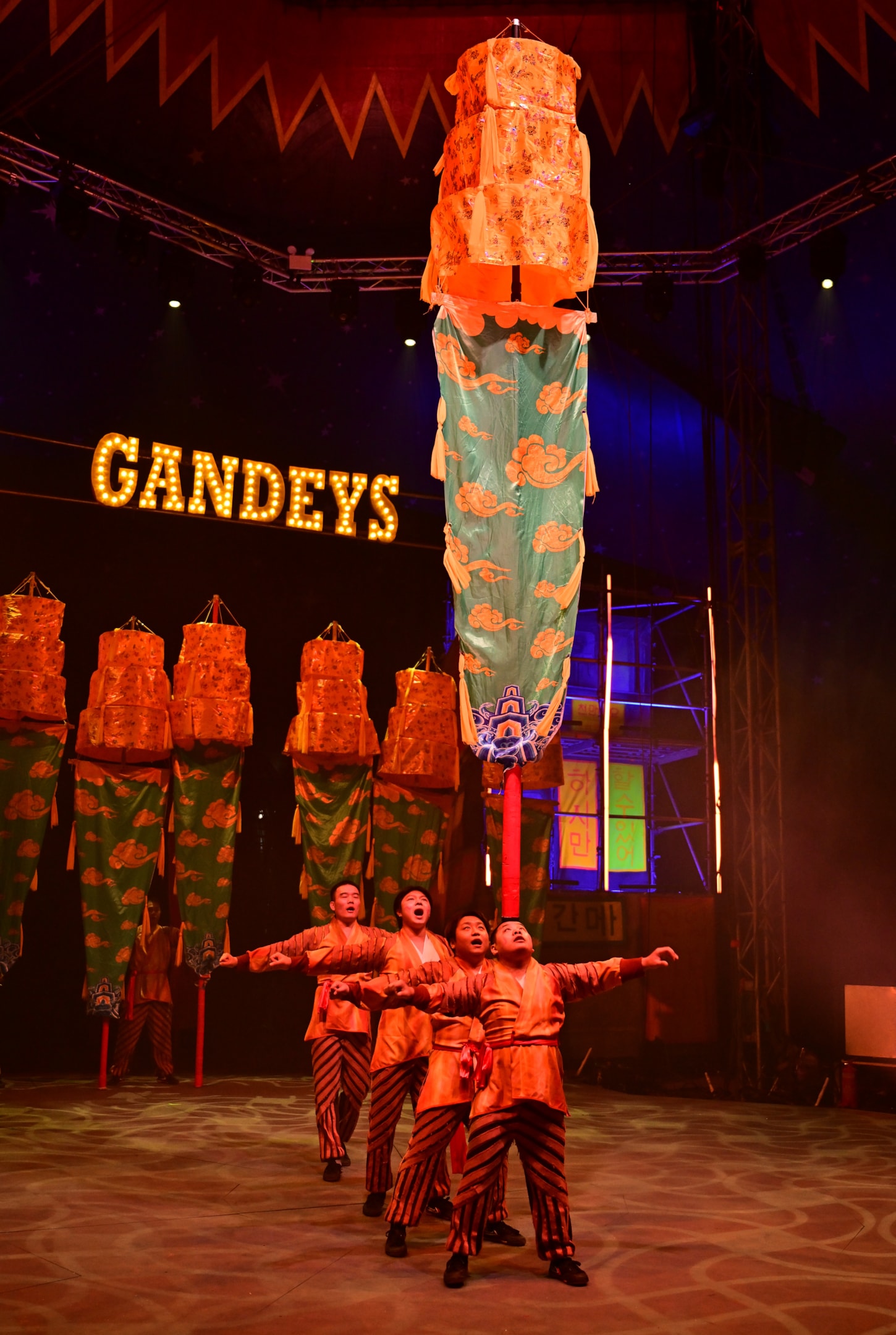
Modern circus blends traditional skills with contemporary arts. Shows are carefully directed, music is produced to heighten emotion, and costume design helps immerse audiences in a themed world, especially in immersive experiences like Gandeys Circus By Night.
Each year, a new production is released, featuring fresh acts and imaginative storytelling. Owners work tirelessly behind the scenes to promote upcoming dates, manage construction of the touring set-up, and ensure the strong safety record that defines the brand, supported by dedicated Gandeys Circus contact and booking details.
For fans, the excitement of a coming show is unforgettable — the smell of sawdust, the glow of lights, the hum of anticipation before the first act begins, often sparked by the striking designs of Gandeys Circus posters and artwork.
The Circus: Past, Present, and Future
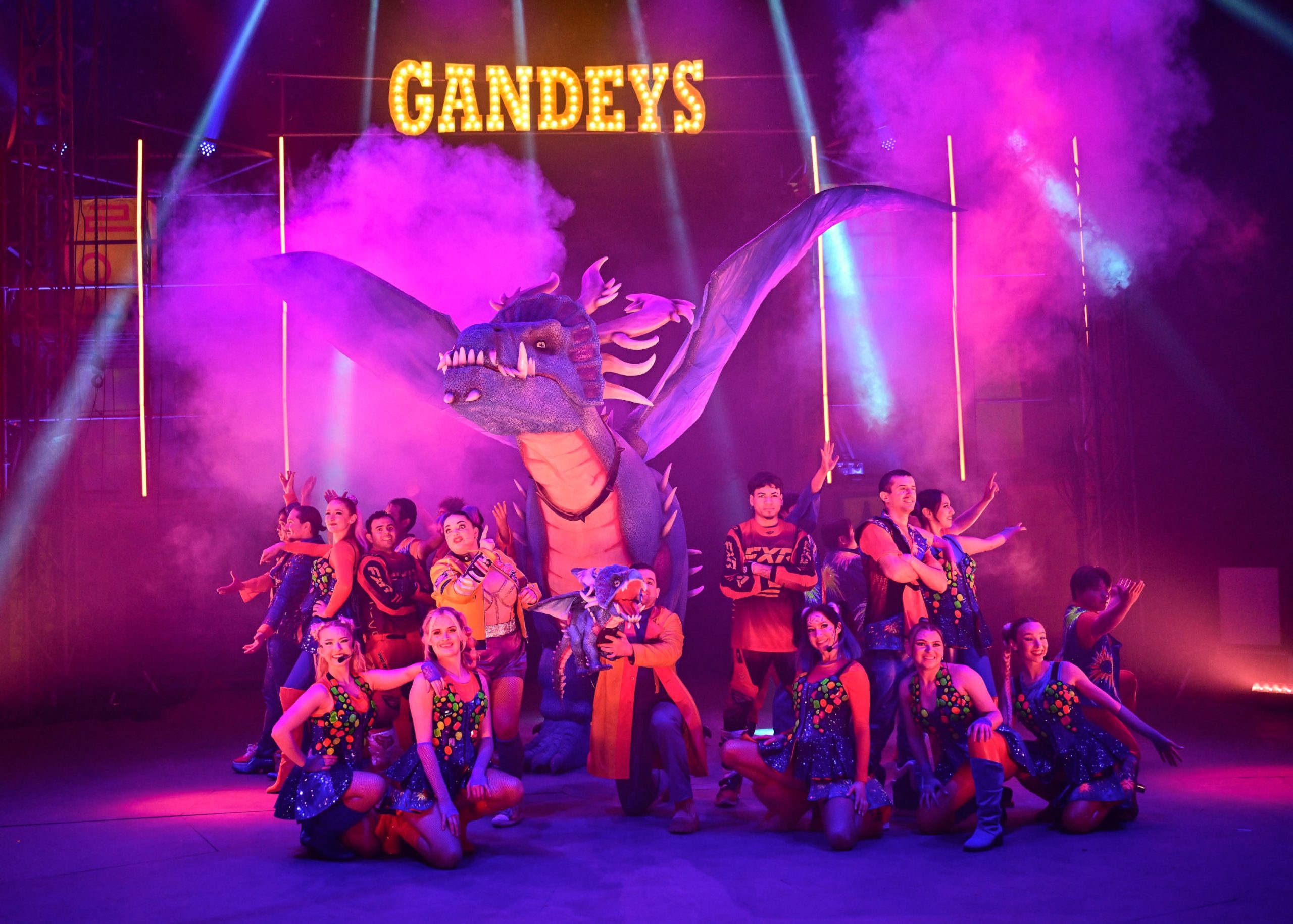
From Georgian Bath to espionage fiction, from political television to Gandeys’ spectacular live events rooted in Gandeys Circus’ UK origins and global journey, the circus takes many forms.
In Bath, it is a stone circle completed in the 18th century, symbolic and serene.
In spy novels, it is a metaphor for complex intelligence work.
On television, it captured the drama of political life.
Under the big top, it remains a living, breathing celebration of human skill, whether you’re experiencing Gandeys Circus in Manchester or another tour stop.
Across centuries, the circus has stood at the heart of entertainment — adapting to the future while honouring the past. Whether carved in stone or performed beneath canvas, it continues to inspire, amaze, and bring people together in one shared circle of wonder.